

Can Semen Actually Function as a Natural Antidepressant to Boost Female Mood?
January 14, 2026 by
ellenyi@adultstoysgd.com
Product Knowledge🌸 The Hidden Truth Behind Biological Chemistry and Employee Well-being
Problem: Have you ever heard the rumor that semen might actually make women happier? It sounds like an urban legend or perhaps a clever excuse, but a significant portion of the adult population is secretly Googling this exact question daily. They want to know if the biological components in male fluids can genuinely fight depression or improve mental health.
Agitation: However, believing this blindly is dangerous. While some studies suggest a link, the internet is flooded with misleading information that encourages risky behavior. Ignoring the potential threats of STDs, HPV, and unwanted pregnancy in favor of a "natural mood boost" is a recipe for disaster. Furthermore, understanding these intimate health nuances is critical for businesses in the adult wellness space. If your end consumers are confused about safety versus pleasure, the market shifts unpredictably.
Solution: The reality is fascinating, complex, and full of business opportunities. In this article, we will dissect the real science behind semen causing mood elevation, debunk the "anti-cancer" myths, and explain why this knowledge is driving a massive surge in demand for high-quality safety products. If you are a retailer or brand buyer, understanding this consumer psychology is why you need a reliable sex toy manufacturer to meet the growing need for safe, healthy pleasure. Let’s dive in!
🧬 The "Golden" Answer: Does Semen Affect Female Mood?
(Featured Snippet Optimized Section)
Research indicates potential links, but it is not a recommended therapy.
Scientifically, semen is a complex fluid containing mood-regulating hormones such as oxytocin, serotonin, endorphins, and prolactin. The vaginal mucosa is highly absorbent, allowing these chemical components to enter the female bloodstream rapidly. A notable study (Gallup et al.) observed that women who never used condoms showed fewer depressive symptoms than those who did. However, experts emphasize that this may be correlated with the stability of a relationship rather than the fluid itself. Due to high risks of STDs and unwanted pregnancy, medical professionals do not encourage unprotected sex solely for mental health benefits. For the retail market, this reinforces the need for high-quality protection and safe alternative pleasure products.
Only Fixed Partners Should Consider This… Read On.
What follows is a deep dive into the chemical breakdown that every adult industry professional should understand. We are going to reveal why the industry is pivoting from "just fun" to "health and wellness," and how this affects your supply chain choices.
🧪 The Chemical Cocktail: What Is Inside Semen?
Semen is far more than just a vehicle for reproduction. For consumers and retailers alike, understanding the biological makeup helps in marketing the right products. Semen consists of approximately 95% seminal plasma and only 5% sperm cells.
The plasma is rich in biology’s most potent mood-altering chemicals:
- Oxytocin: Often called the "cuddle hormone," it creates feelings of attachment and calm.
- Serotonin & Melatonin: Key regulators for mood and sleep cycles.
- Thyrotropin-releasing Hormone: An antidepressant agent.
- Endorphins: The body’s natural pain killers and pleasure boosters.
The Mechanism of Absorption
The vaginal tissue is distinct because it is packed with blood vessels and lymph networks. Unlike skin, which blocks most substances, the vagina is designed to absorb. This is why the "semen as an antidepressant" theory holds biological weight. When a woman has unprotected intercourse, these hormones are absorbed directly into her system.
However, consumers must be educated: just because it can be absorbed, doesn’t mean it should be the primary method of mood regulation.
📉 The Study That Started It All
The primary source of this "semen makes you happy" claim comes from a study involving nearly 300 college-aged women. The data showed that women whose partners did not use condoms scored significantly lower on depression scales compared to those who used condoms or were abstinent.
Key Findings vs. Market Reality:
The study controlled for frequency of sex, but it is difficult to isolate the "chemical benefit" from the "emotional benefit" of intimacy.
- The Emotional Factor: Women in relationships where condoms are not used are often in long-term, trusting partnerships. The security of the relationship itself acts as an antidepressant.
- The Physical Factor: The absorption of trace elements like Zinc and Calcium from semen helps, but is negligible compared to a balanced diet.
For wholesale buyers and brand owners, this distinction is vital. Your customers are looking for the feeling of intimacy (Oxytocin) which can be replicated safely through innovative products, without the biological risks.
🚫 Debunking the Myth: Semen and Cancer Prevention
There is a dangerous misconception circulating online that semen can prevent cancer. As a responsible business in the adult sector, it is crucial to separate fact from dangerous fiction.
The Spermine Misunderstanding
Spermine is an antioxidant found in seminal fluid.
- Lab Results: In in vitro (test tube) experiments, oxidized spermine has been shown to induce apoptosis (cell death) in certain cancer cells like cervical cancer cells.
- Body Reality: The human body is not a test tube. The concentration of spermine required to kill cancer cells is far higher than what is found in natural ejaculation. Furthermore, the body’s immune system breaks down these compounds rapidly.
The HPV Paradox
Some claim the alkaline pH (7.2-8.0) of semen neutralizes vaginal acidity and fights viruses. This is false.
The World Health Organization (WHO) and medical experts are clear:
- Unprotected sex is the primary transmission route for HPV (Human Papillomavirus), which is the leading cause of cervical cancer.
- Relying on semen to "fight cancer" ironically increases the risk of getting cancer via HPV.
Commercial Insight: This fear of HPV and cancer is a major driver for the premium condom market and the high-end sex toy industry. Consumers want pleasure, but they prioritize safety. This is why sourcing from a factory that adheres to medical-grade silicone standards (FDA/CE certified) is non-negotiable for modern brands.
⚠️ The Critical Role of Safety and Mental Health
While the chemical components of semen are beneficial in theory, the practical application is limited to a specific demographic: Couples in long-term, monogamous, disease-free relationships.
The Anxiety Loop
For women with casual partners, the "mood benefit" of semen is instantly negated by the "anxiety spike" of potential consequences:
- Pregnancy Anxiety: The fear of unintended pregnancy outweighs a micro-dose of serotonin.
- STD Stress: The risk of HIV, Herpes, and Syphilis causes severe psychological distress.
Therefore, for the majority of single women or those dating casually, condoms are the real antidepressant. They provide peace of mind.
🏭 B2B Insights: Transforming Health Trends into Business Growth
How applies this medical knowledge to your business? As a manufacturer or retailer, you are not just selling plastic and silicone; you are selling Wellness and Peace of Mind.
1. The Demand for "High-End" Safety
Since consumers are becoming educated about the risks of fluids, they are turning to alternatives. They want the intimacy without the risk. This implies a massive demand for:
- Realistic Feel Toys: Products that mimic natural texture to boost Oxytocin without biological fluid exchange.
- Couple Toys: Devices designed to be used during sex to enhance intimacy for those using condoms.
2. Sourcing from the Right Manufacturer
To capitalize on this health-conscious trend, you cannot sell low-quality goods.
- Material Safety: If a woman is worried about chemical absorption in the vagina, she will be equally worried about the chemicals in her sex toys. You must work with a sex toy factory that guarantees phthalate-free, body-safe silicone.
- Traceability: Retailers are increasingly asking "Where is this made in China?" because they want assurance of quality control. A transparent wholesale partner is your best asset.
3. Customization (OEM/ODM) is Key
The market is saturated with generic products. Health-focused brands are now using OEM/ODM services to create products specifically marketed towards "Wellness" rather than just "Hardcore."
- Example: Creating a product line branded around "Oxytocin Boosting" or "Intimacy Enhancement" requires a custom mold and specific branding strategies that only a capable factory can provide.
🌸 Conclusion on Health Benefits
To summarize the biological perspective:
- For Monogamous Couples: Semen can be a healthy addition to intimacy, potentially offering mild mood-boosting effects due to hormonal absorption.
- For Everyone Else: The risks of STDs and cancer-causing viruses (HPV) make unprotected sex a poor choice for mental health. Safety is the priority.
🙋 People Also Ask (PAA)
Here are the top questions consumers and business buyers are asking about this topic:
1. Is semen effectively a good antidepressant for women?
Technically, yes, but practically, no. It contains antidepressants like serotonin and nerve growth factor, but doctors do not prescribe it because the risks of STDs and pregnancy cause more anxiety than the fluid relieves.
2. Can absorbing semen prevent cancer?
No. While spermine has antioxidant properties in a petri dish, there is no clinical evidence it prevents cancer in humans. Conversely, unprotected sex increases HPV risk, which causes cervical cancer.
3. Does the pH level of semen help vaginal health?
Semen is alkaline (pH 7.2-8.0) and can temporarily neutralize the acidic vaginal environment. While this helps sperm survive, frequent disruption of vaginal acidity can actually lead to Bacterial Vaginosis (BV).
4. Why is the market for body-safe sex toys growing alongside this research?
As women learn that the vagina absorbs chemicals easily (like those in semen), they become hyper-aware of what else they are putting inside. This drives demand for medical-grade silicone toys from a certified sex toy manufacturer.
5. Is it safe to use sex toys if I want to avoid unprotected sex?
Yes, but only if the toys are high quality. Cheap jelly toys are porous and hold bacteria. Always buy from a reputable wholesale supplier that offers non-porous, medical-grade silicone products.
6. Can menopausal women benefit from semen?
Potentially yes. Older women have thinner vaginal walls and lower hormone levels. If they have a fixed, healthy partner, the hormones in semen might help with local tissue health and mood, without the risk of pregnancy.
7. How can I find a factory to produce health-focused adult products?
Look for a partner offering OEM/ODM services in China with ISO certifications. They can help you design custom products that appeal to the wellness-conscious consumer who prioritizes safety over novelty.
✨ Final Thoughts
While biology suggests that semen has unique mood-altering properties, it is not a magic cure. For the modern woman, happiness comes from safety, security, and sexual autonomy. For the B2B industry, this is a clear signal: the future lies in partnering with a high-standard manufacturer to deliver products that prioritize consumer health above all else. Make sure your inventory reflects this shift towards wellness and safety.

Latest Articles
February 18, 2026
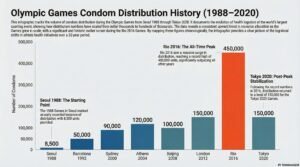
Why Do The Olympics Distribute Hundreds of Thousands of Condoms?
Is the Olympic Village just a global sporting event, or is it the world’s most exclusive party? Imagine 450,000 condoms.
February 17, 2026
Condom Breakage Nightmares: Why Do They Pop and How Can Premium Stock Save Your Brand Reputation?
Imagine this: Your customer is in the heat of the moment based on trust in the product you sold them.
February 16, 2026
Why is she "so dry"? The $600 Billion Missed Opportunity in Female Intimate Wellness?
Problem: It is the number one complaint in the bedroom, yet the most ignored category on your retail shelves. "Why
February 13, 2026
Is Having Sex During Your Period Actually Dangerous?
It’s that time of the month again. You’re feeling a mix of emotions, and maybe, just maybe, your libido is