
What Are the Best Materials for Custom BDSM Accessories?
June 26, 2025 by
ellenyi@adultstoysgd.com
Product KnowledgeProblem: You’re a brand owner or a purchasing manager, and you’re staring at a spreadsheet of material options for your new line of custom BDSM accessories. The pressure is on. Choosing feels less like a creative decision and more like navigating a minefield. Pick the wrong material, and you’re not just risking a subpar product; you’re risking your entire investment.
Agitation: It gets worse. Imagine launching a new line of restraints, only to have wholesale buyers return them because the PU leather cracked after one use. Picture your brand’s reputation plummeting due to hygiene complaints about porous materials. Or consider the nightmare of a custom collar, designed to be a premium collar bdsm piece, feeling cheap and flimsy. Every wrong choice echoes in lost profits, angry customers, and a tarnished brand image that’s incredibly hard to rebuild. Your manufacturer builds what you specify, so the responsibility lands squarely on your shoulders.
Solution: ✨ Here’s the good news. Understanding the core properties of each material transforms this gamble into a calculated, strategic business decision. This guide isn’t just about aesthetics; it’s a B2B playbook. We’ll give you the insights needed to balance cost, durability, safety, and brand appeal, ensuring every product you commission from your factory is a guaranteed winner that boosts your bottom line.
For B2B buyers in the sex and bdsm industry, the best material for custom BDSM accessories is a strategic choice that directly impacts your brand’s positioning, profit margins, and production pipeline. There is no single "best" material, only the right material for a specific product and target market. For cost-effective, entry-level, or soft bdsm lines, synthetic materials like Ultrafiber and Semi-PU, sourced from reliable BDSM material supplier networks, offer immense design flexibility and affordability. For high-end, durable, and premium collections, especially for load-bearing bdsm tools like harnesses and restraints, full-grain cowhide remains the gold standard, commanding a higher price point but delivering unmatched longevity and perceived value. Your decision should be a calculated balance between the target retail price, the complexity of your OEM/ODM design, and the brand story you want to tell.
But the choice of material is just the beginning of the story. The real secret to success lies in understanding how these materials behave not just in the bedroom, but throughout the entire supply chain—from sourcing at a factory in China to the final unboxing by a customer. Keep reading as we peel back the layers on each material, revealing the manufacturing quirks, cost implications, and market opportunities that top-tier brands use to dominate the industry.
Material Breakdown for BDSM Accessories: A Manufacturer’s Guide
Here, we dissect each popular material from a B2B perspective, focusing on what matters most for your production and profitability.
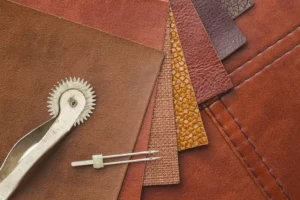
1. Ultrafiber (Microfiber)
Best For: Collars, floggers, blindfolds, vegan-friendly soft bdsm collections.
Why: It masterfully mimics the feel of suede leather without any animal products, making it lightweight, silent, and perfect for sensory play. It’s a marketing dream for eco-conscious or vegan brands.
-
Pros:
- ✓ Cost-Effective: Typically 40-60% cheaper to source than genuine leather.
- ✓ Vegan-Friendly: Huge selling point for a growing market segment.
- ✓ Water-Resistant: Offers better hygiene and easier cleaning.
-
Cons:
- ✗ Limited breathability compared to natural hides.
- ✗ Edges can fray over time if not properly finished by the manufacturer.
-
💰 B2B Sourcing & Cost: When sourcing from a made in China supplier, expect prices around $6-12 per square foot. It’s a fantastic option for achieving a premium feel on a mid-range budget. Ensure your supplier provides consistent thickness and texture across batches.
-
🏭 Manufacturing & OEM/ODM: Ultrafiber is a dream for custom designs. It’s easy to cut with lasers, allowing for intricate patterns that would be labor-intensive on leather. It also takes color dyes exceptionally well, perfect for vibrant erotic bdsm lines.
-
✨ Brand & Market Positioning: Position this as the "Modern Leather." It’s perfect for brands targeting millennials and Gen Z, or for creating a dedicated "Conscious Kink" collection.
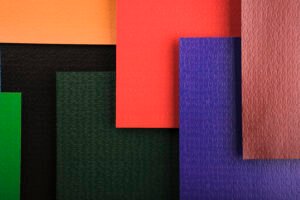
2. PU Leather (Polyurethane)
Best For: Decorative cuffs, costume-themed gear, lightweight paddles, promotional items.
Why: It’s the undisputed king of budget-friendliness and color variety. If you need intricate patterns or bold, flashy colors for occasional-use items, PU is your go-to.
-
Pros:
- ✓ Lowest Cost: The cheapest option, ideal for maximizing margins on entry-level products.
- ✓ Vibrant & Versatile: Available in virtually any color and texture imaginable.
-
Cons:
- ✗ Poor Durability: Prone to peeling and cracking under stress. Absolutely not for load-bearing items.
-
💰 B2B Sourcing & Cost: At $2-5 per square foot, PU leather is a wholesale superstar for high-volume, low-cost production. Your primary concern with a factory should be the quality of the backing fabric and the thickness of the PU coating.
-
🏭 Manufacturing & OEM/ODM: Extremely easy to work with. Perfect for fast-fashion BDSM tools where trendiness trumps longevity. A good OEM/ODM partner can heat-emboss logos and patterns onto PU with ease.
-
✨ Brand & Market Positioning: Market this honestly. It’s for "Costume & Fantasy Play." Don’t try to pass it off as a durable, long-term product. It’s for fun, affordability, and experimentation.
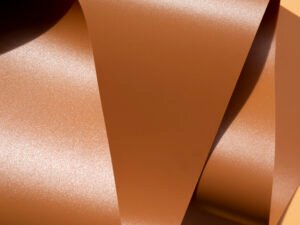
3. Semi-PU
Best For: Beginner bondage kits, restraints not intended for suspension, mid-range cuffs.
Why: This hybrid material, with a fabric base and PU topcoat, offers a better balance of cost and durability than pure PU.
-
Pros:
- ✓ Improved Flexibility: Less prone to cracking than full PU due to its fabric backing.
- ✓ Mid-Range Cost: Balances budget needs with a noticeable step up in quality.
-
Cons:
- ✗ Not for Heavy Play: Still lacks the tensile strength required for suspension or intense, prolonged stress.
-
💰 B2B Sourcing & Cost: Sourcing costs range from $4-8 per square foot. It’s the "good enough" middle ground. When inspecting samples from a BDSM material supplier, test its delamination strength by trying to peel the layers apart.
-
🏭 Manufacturing & OEM/ODM: It stitches more reliably than pure PU. Ask your manufacturer to use reinforced stitching (like box stitching) at stress points to enhance the product’s lifespan.
-
✨ Brand & Market Positioning: This is the material for your "Starter Kits" or "Explorer" product lines. It offers a safe and affordable entry point for customers new to sex and bdsm.
4. Genuine Leather Types
Cowhide (Full-Grain)
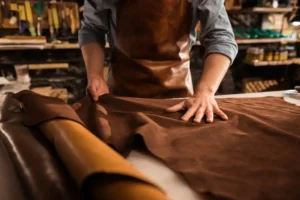
Best For: Heavy-duty wholesale leather restraints, whips, suspension harnesses, heirloom-quality collar bdsm pieces.
Why: 🛡️ This is the benchmark for durability and performance in BDSM. With a tensile strength often exceeding 200 lbs, it ages beautifully and embodies the classic black bdsm aesthetic.
-
Pros:
- ✓ Extreme Durability: A lifespan of 5-10+ years is standard. This is an investment piece.
- ✓ Authentic Appeal: The look, feel, and even smell are what connoisseurs demand.
-
Cons:
- ✗ High Cost: It represents a significant upfront investment in raw materials.
-
💰 B2B Sourcing & Cost: Expect to pay $15-30 per square foot for quality full-grain cowhide. When vetting a supplier, inquire about the tanning process (vegetable-tanned is often preferred for skin contact) and consistency of hide thickness.
-
🏭 Manufacturing & OEM/ODM: Requires skilled labor and heavy-duty machinery to cut and stitch. It’s less forgiving of mistakes. Your custom bondage gear factory must have proven experience working with thick leather.
-
✨ Brand & Market Positioning: This is your "Pro," "Heritage," or "Extreme" line. It targets serious enthusiasts and commands a premium price, offering excellent profit margins despite the higher material cost.
Sheepskin
Best For: Sensory hoods, soft cuffs, blindfolds, lingerie-style erotic bdsm gear.
Why: Its defining feature is its incredible softness. At only 0.8-1mm thick, it minimizes skin abrasion and requires no break-in period.
-
Pros:
- ✓ Unmatched Softness: Ideal for gear worn directly on sensitive skin for long periods.
- ✓ Luxurious Feel: Immediately communicates comfort and quality.
-
Cons:
- ✗ Low Tear Strength: Easily damaged under tension; purely for sensory or light decorative use.
-
💰 B2B Sourcing & Cost: More affordable than cowhide but pricier than synthetics. The focus here is on the quality of the finish.
-
🏭 Manufacturing & OEM/ODM: Requires a delicate touch. Your manufacturer must use finer needles and thread to avoid tearing the skin during production.
-
✨ Brand & Market Positioning: Perfect for soft bdsm and luxury intimacy lines. Market it as "Cloud-Soft" or "Second-Skin" gear.
Exotic Leathers (Crocodile/Snake)
Best For: Ultra-luxury collars, showpiece paddles, limited edition collector’s items.
Why: This is pure, unadulterated luxury. The unique textures are status symbols that elevate a brand into the highest echelon.
-
Pros:
- ✓ Unparalleled Aesthetics: The visual appeal is unmatched.
- ✓ High Perceived Value: Justifies a very high retail price point.
-
Cons:
- ✗ Extreme Cost & Compliance: Crocodile skin can hit $80-150+ per square foot and requires CITES certification for legal international trade, a major compliance hurdle for your supply chain.
-
💰 B2B Sourcing & Cost: This is a low-volume, high-margin game. You MUST verify that your supplier can provide all necessary legal documentation (CITES permits) to avoid customs seizure.
-
🏭 Manufacturing & OEM/ODM: Work only with a custom bondage gear factory that specializes in exotic goods. The skill required is immense, and mistakes are incredibly costly.
-
✨ Brand & Market Positioning: This is for your "Limited Edition" or "Couture" collections. It’s sold on exclusivity and artistry, not on performance.
Material-to-Accessory Pairing Guide for Sourcing
| Accessory Type | Top Material Choices (For Quality & Margin) | Avoid (For Brand Reputation) |
|---|---|---|
| Collars | Cowhide, Ultrafiber, Crocodile (Luxury) | PU (poor durability) |
| Restraints/Cuffs | Cowhide, Semi-PU, Sheepskin (Sensory) | Snake (too delicate) |
| Floggers/Whips | Cowhide, Ultrafiber | PU (weak structure) |
| Sensory Hoods | Sheepskin, Ultrafiber | Crocodile (stiff & heavy) |
| Paddles | Cowhide, Semi-PU, Snake Skin (Decorative) | Sheepskin (too soft) |
Cost & Lifespan: A B2B Perspective
| Material | Approx. Cost per sqft | Best Accessory Match | Avg. Lifespan | B2B Sourcing Insight |
|---|---|---|---|---|
| PU | $2-5 | Decorative Cuffs | 6-18 months | Ideal for fast-fashion lines. Check supplier for batch color consistency. |
| Ultrafiber | $6-12 | Floggers, Vegan Hoods | 2-3 years | Great ROI for mid-range. Verify anti-fray finishing. |
| Cowhide | $15-30 | Restraints, Harnesses | 5-10+ years | Core material for premium lines. Ask for tanning method details. |
| Crocodile | $80-150+ | Luxury Collars | 10-15+ years | 🛡️ Crucial: Verify your supplier provides CITES documentation. |
People Also Ask: Your B2B Sourcing Questions Answered
1. From a manufacturer perspective, which material offers the best balance of cost and custom design flexibility for OEM/ODM orders?
Ultrafiber is the clear winner here. It’s significantly cheaper than leather but offers a similar premium feel. Its compatibility with laser cutting allows for incredibly intricate custom designs with minimal labor cost, making it highly profitable for complex OEM/ODM projects.
2. What are the key quality control checks for a BDSM material supplier in China?
Beyond visual inspection, you should request batch testing reports for: 1) Colorfastness: ensure colors don’t bleed with sweat or cleaning. 2) Tensile Strength: especially for leather and semi-PU. 3) Chemical Safety: ask for REACH or CPSIA compliance reports to ensure materials are free of harmful substances, a non-negotiable for products touching skin.
3. How does the choice between PU leather and genuine cowhide impact shipping costs for wholesale orders?
Dramatically. Genuine cowhide is significantly heavier and denser than PU. A wholesale shipment of 1,000 cowhide restraints could weigh 2-3 times more than the same order made of PU, directly increasing air or sea freight costs. This must be factored into your landed cost calculations.
4. Are there specific safety certifications we should demand from a factory for materials in erotic bdsm tools?
Absolutely. For any material that will have prolonged skin contact, demand compliance with REACH (for the EU market) and CPSIA (for the US market). This ensures the materials are free from lead, phthalates, and other harmful chemicals. A reputable factory will have these reports on hand or be able to acquire them.
5. For high-strength items like suspension gear, what are the minimum technical specifications for leather from a supplier?
Never compromise here. Demand full-grain vegetable-tanned cowhide with a minimum thickness of 9-10 oz (3.6-4.0 mm). The supplier should also provide data on the leather’s tensile strength, which should be well over 200 lbs per inch of width. Stitching should be done with bonded nylon thread for maximum security.
6. How can we market vegan-friendly materials (like ultrafiber) to differentiate our brand in the sex and bdsm market?
Build a narrative around it. Use marketing terms like "Ethical Kink," "Conscious Play," or "PETA-Approved Pleasure." Highlight the benefits beyond being animal-free: it’s often lighter, requires less maintenance, and is available in vibrant colors. It’s a powerful differentiator that attracts a loyal customer base.
7. What’s the typical Minimum Order Quantity (MOQ) when sourcing different custom BDSM accessories materials from a factory?
It varies greatly. For basic PU and ultrafiber, a factory might have an MOQ of 500-1000 meters per color. For standard cowhide, you might buy by the hide, with a lower MOQ. For expensive exotic leathers, you may be able to purchase single skins, but the OEM/ODM product MOQ will still apply, likely 50-100 units for such a premium item.
The Final Verdict
Choosing the right material for your BDSM accessories isn’t just about the product; it’s a cornerstone of your business strategy. Aligning material strengths with your target market’s priorities is the secret to building a desirable and profitable brand.
Ultimately, your success hinges on partnering with a reliable manufacturer who understands these nuances and can execute your vision flawlessly.

Latest Articles
February 18, 2026
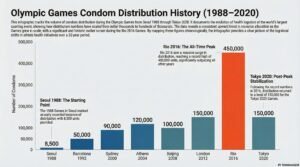
Why Do The Olympics Distribute Hundreds of Thousands of Condoms?
Is the Olympic Village just a global sporting event, or is it the world’s most exclusive party? Imagine 450,000 condoms.
February 17, 2026
Condom Breakage Nightmares: Why Do They Pop and How Can Premium Stock Save Your Brand Reputation?
Imagine this: Your customer is in the heat of the moment based on trust in the product you sold them.
February 16, 2026
Why is she "so dry"? The $600 Billion Missed Opportunity in Female Intimate Wellness?
Problem: It is the number one complaint in the bedroom, yet the most ignored category on your retail shelves. "Why
February 13, 2026
Is Having Sex During Your Period Actually Dangerous?
It’s that time of the month again. You’re feeling a mix of emotions, and maybe, just maybe, your libido is