

Why Is Global Male Sperm Quality Dropping Fast?
January 19, 2026 by
ellenyi@adultstoysgd.com
Business Beginners Market Report📉 The Silent Crisis: Why the Numbers Are Crashing
Imagine a market indicator dropping by over 50% in just a few decades. If this were a stock, the market would panic. But we are talking about human biology. Between 1973 and 2018, data reveals a shocking reality: global male sperm concentration plummeted from 101 million/ml to roughly 49 million/ml. That is a drop of 51.6%.
⚠️ Why Industry Leaders Should Be Worried
This isn’t just a medical stat; it is a shift in consumer reality. In China alone, the infertility rate has surged from a mere 3% twenty years ago to a staggering 10%–15% in 2018. Half of these cases are linked directly to male sperm quality issues.
For retailers and wholesalers in the adult health space, this signals a massive change in customer pain points. The modern man isn’t just looking for pleasure; he is looking for preservation. The decline is accelerating—since 2000, the concentration has been dropping by 2.64% every single year, causing frantic searches for solutions.
💡 The Market Opportunity
This article is your roadmap to understanding the "Sperm Crisis." We will break down exactly what is destroying male fertility, which foods and habits effectively reverse the damage, and where the new consumer demand lies. Stop guessing what your customers need—the data is right here.
🔍 Quick Answer: What is the Current Status of Global Male Sperm Quality?
Global male sperm quality is currently in a state of rapid accelerated decline.
According to World Health Organization (WHO) assessments and global studies spanning the last 40 years, average sperm density has crashed from 100 million/ml to range between 20–40 million/ml. This drop is characterized by three negative trends: concentration reduction (down 51.6%), decreased motility (poor movement), and higher deformity rates.
The primary drivers are modern lifestyle shifts: high-stress environments, sedentary habits (sitting/staying up late), exposure to environmental toxins (plasticizers/pesticides), and pro-inflammatory diets rich in trans fats. This decline correlates directly with a sharp rise in male infertility rates globally.
🚀 Why This Matters Now
The numbers tell a scary story, but they also highlight a massive gap in lifestyle management. Understanding the specific triggers of this decline is the only way to tap into the solution. Here is what people are frantically asking online right now.
🗣️ People Also Ask (Industry & Consumer Insights)
1. What are the main "killers" of sperm quality in modern life?
The modern lifestyle is a minefield for fertility. The biggest enemies are tobacco and alcohol. Studies show that smoking 30 cigarettes a day drops sperm survival rates to just 49%. Furthermore, sedentary behavior and staying up late disrupt endocrine function and raise testicular temperature, which physically stops sperm production.
2. Can diet really reverse the damage to sperm density?
Yes, diet plays a massive role. The data is clear: deficiencies in Zinc, Selenium, and high-quality protein halt production. Conversely, diets high in trans fatty acids (found in margarine, pies, and fried foods) are linked to lower sperm concentration. Food is fuel; bad fuel means no production.
3. Why are "Healthy Fats" critical for the male health market?
Not all fats are bad. While trans fats reduce count, Omega-3 fatty acids (found in deep-sea fish like Salmon) are essential. They boost hormone secretion. The market is seeing a shift away from junk food toward functional foods that support hormonal structure.
4. How does obesity impact male fertility trends?
Obesity is a major wrecking ball. It leads to hormonal disorders and a higher risk of "oligospermia" (low sperm count). Excess body fat often increases estrogen levels in men, directly suppressing testosterone and damaging sperm DNA integrity.
5. What are the environmental threats we can’t ignore?
It’s invisible, but it’s there. We are constantly exposed to endocrine-disrupting chemicals (EDCs). These include pesticides, heavy metals in car exhaust, and plasticizers in food packaging. Add in radiation (from medical CTs or constant electronics) and testicular heat stress, and you have a perfect storm for biological decline.
6. Is age a safety factor for men?
Not entirely. While men don’t have a strict "menopause" like women, age matters. As men get older, sperm DNA fragmentation increases. Even if the count is there, the genetic quality degrades, leading to higher risks of miscarriage or developmental issues.
7. What is the standard for "Good" sperm today?
The bar has been lowered, but the standard remains strict.
- Volume: 2–6 ml per ejaculation.
- Color: Uniform milky white or gelatinous.
- Liquefaction: Must turn from gel to liquid within 30 minutes (catalyzed by enzymes).
If it doesn’t meet these metrics, the market considers it "sub-optimal," driving demand for testing and improvement products.
🧬 Deep Dive: The Science of Decline & The Ingredients for Revival
The modern consumer is educated. They know something is wrong. As business operators, understanding the biological mechanism helps you position products effectively.
The "Sperm Killers" on the Shelf 🍔
The data highlighted a direct link between diet and destruction.
- Alcohol: It’s a toxin for the testicles. Long-term heavy drinking damages spermatogenic cells.
- Trans Fats: Found in cakes, cookies, and fried chicken. The more trans fats a man eats, the lower his sperm concentration drops.
- Toxic Foods: BBQ and smoked meats often contain polycyclic aromatic hydrocarbons—proven reproductive toxins.
The "Superfoods" Driving Demand 🥦
Consumers are actively searching for these specific ingredients. If your inventory or content highlights these, you align with their needs.
- 🥚 Eggs (The Protein Powerhouse):
Sperm is essentially protein. Eggs provide high-quality protein plus Zinc, the absolute cornerstone of sperm synthesis. Without Zinc, testosterone production halts. - 🧅 Onions (The Stimulator):
Surprisingly effective. Onions contain compounds that stimulate the central nervous system and can optimize the function of sperm-producing organs. - 🥛 Dairy & Soy (The Cleansers):
Low-fat dairy is linked to better quality. Why? It helps clear excess bad estrogen from the body and provides insulin-like growth factors that support development. - 🦪 Oysters (The Zinc King):
The classic aphrodisiac is backed by science. Oysters are the richest natural source of Zinc, fueling male hormone generation and synthesis. - 🐟 Salmon (The Hormone Booster):
Rich in protein and healthy fats, Salmon directly supports hormone proficiency.
🏃♂️ The Lifestyle Pivot: From Sedentary to Supercharged
The decline isn’t just about what men eat; it’s about how they live. The 51.6% drop in concentration is a symptom of a sedentary world.
The "Move it or Lose it" Reality
Men are sitting more and moving less. This causes two problems: poor blood circulation to the pelvic area and Scrotal Hyperthermia (it gets too hot down there).
- The Solution: Regular, aerobic exercise. Swimming and running are the gold standards. They pump oxygenated blood to the testes and regulate hormones.
Sleep & Stress: The Silent Killers
You cannot build testosterone while stressed.
- Cortisol vs. Testosterone: High stress (high cortisol) kills sex drive and production.
- Sleep: Testosterone is produced during REM sleep. Late nights literally cut production time in half.
📉 Industry Conclusion
The statistics are undeniable. A drop from 100 million to 40 million sperm/ml is a global health emergency, but for the industry, it is a clarion call.
The modern male consumer is facing a crisis of fertility driven by obesity, stress, toxins, and poor diet. This has moved the conversation from "recreation" to "restoration." There is an exploding demand for products that support a holistic healthy lifestyle—from nutritional support (Zinc/Selenium) to stress reduction and fitness.
💡 Expert Insight for Retailers:
Don’t just sell "adult products." Sell Health & Vitality.
The winning strategy for 2025 and beyond is to acknowledge this decline. Position your brand as a partner in the consumer’s journey back to health. Whether it’s through educational content, supporting healthy habits, or offering products that reduce stress and promote physical well-being, the market is shifting towards functional wellness.
The sperm quality crisis is real. The question is: Is your business ready to provide the solution?

Latest Articles
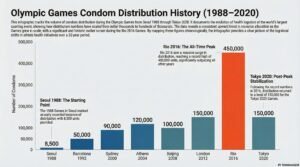
February 18, 2026
Why Do The Olympics Distribute Hundreds of Thousands of Condoms?
Is the Olympic Village just a global sporting event, or is it the world’s most exclusive party? Imagine 450,000 condoms.
February 17, 2026
Condom Breakage Nightmares: Why Do They Pop and How Can Premium Stock Save Your Brand Reputation?
Imagine this: Your customer is in the heat of the moment based on trust in the product you sold them.
February 16, 2026
Why is she "so dry"? The $600 Billion Missed Opportunity in Female Intimate Wellness?
Problem: It is the number one complaint in the bedroom, yet the most ignored category on your retail shelves. "Why
February 13, 2026
Is Having Sex During Your Period Actually Dangerous?
It’s that time of the month again. You’re feeling a mix of emotions, and maybe, just maybe, your libido is