

A Real Case Study: Technical Co-Development Rabbit Vibrator Noise Reduction Case Study: Acoustic Re-engineering Below 35dB in 45 Days
Background: A Product Experience Gap Behind Noise and Weak Vibration
In 2023, Kenier Co began a technical co-development project with a US intimate wellness brand. The client's flagship rabbit vibrator was receiving feedback on two connected issues: the vibration did not feel deep enough, and the operating sound was more noticeable than expected. After receiving the samples, our engineering team reviewed the motor selection, torque output, silicone cavity structure, and acoustic transmission path to identify the real cause behind the user experience gap.
1. Listening to the Market: Pinpointing the Experience Gap
The Phenomenon:
On the brand's premium independent website, users described two main issues with the rabbit vibrator: weak vibration and loud operating noise. For mature US and European users, a premium silicone vibrator should not feel thin, sharp, or noisy. The goal was not to make the motor spin faster. Higher RPM often creates more noise, more heat, and higher load risk in larger products. The real target was lower noise with a deeper, stronger vibration feel.
Engineering Teardown and Root Cause Analysis:
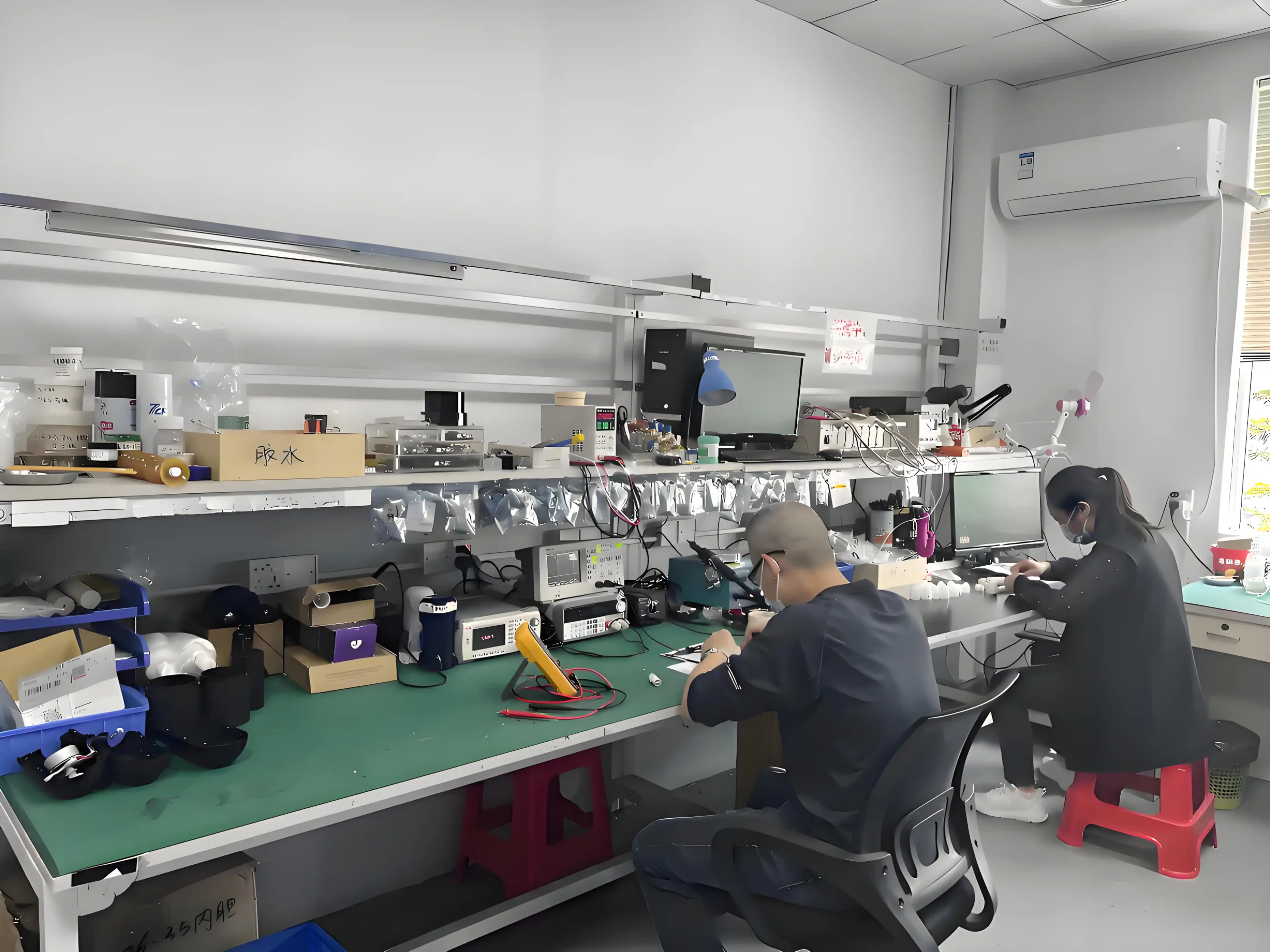
Led by Chief Engineer Mr. Wen, Kenier Co reviewed the product's motor matching, internal support, silicone cavity response, and heat-load behavior. The 19.5 x 3.8 cm structure required enough energy for both the main shaft and rabbit stimulator area. The original motor setup relied too much on speed to compensate for limited torque, which increased mechanical noise and made the vibration feel buzzy rather than deeper.
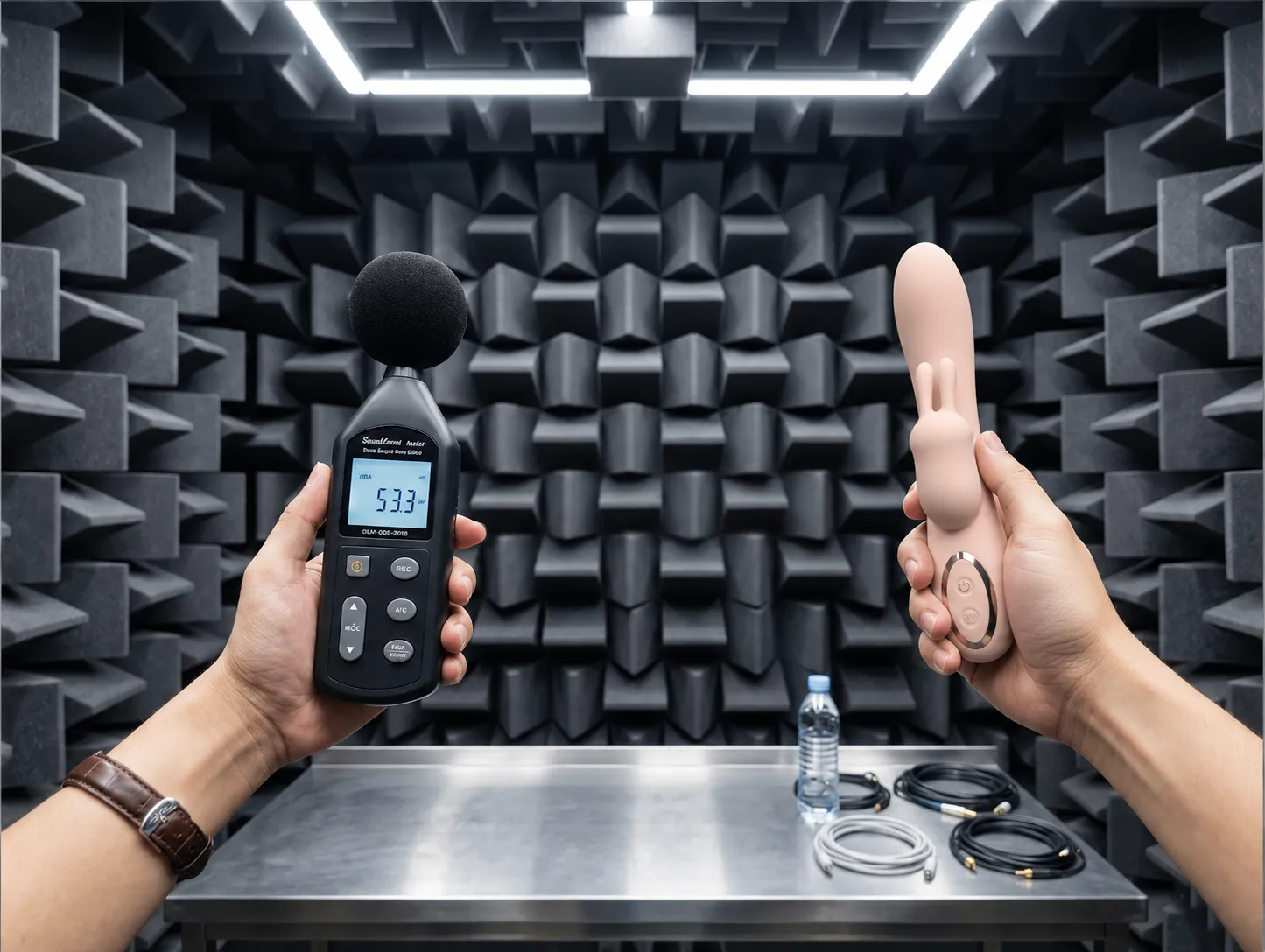
Technical Analysis Process
Detailed teardown revealing motor matching, cavity resonance, and noise transmission issues
Business Impact Analysis
Visualizing how noise and weak vibration feedback affect user reviews, returns, and brand trust
2. The Chain Reaction of Engineering Flaws (Business Impact)
Small compromises in motor matching and acoustic structure can quickly become visible in the end market. In this case, the noise and vibration gap affected not only product performance, but also the brand's premium user experience and after-sales pressure.
Compromised Brand Experience:
Noticeable operating noise weakened the user's perception of premium quality.
Increased Operational Costs:
Noise and weak vibration feedback can increase returns, exchanges, and reverse logistics pressure.
Customer Support Strain:
The support team had to respond to complaints caused by deeper motor and acoustic design issues.
3. The Kenier Co Solution: 45 Days of Low-Noise Motor and Acoustic Re-engineering
After identifying the root cause, Kenier Co did not use a simple high-speed solution. For larger silicone rabbit vibrators, excessive RPM can increase noise, heat, and motor load. Instead, we optimized motor torque output, internal support, silicone cavity response, and acoustic isolation so the product could stay quiet while delivering a deeper and more powerful vibration feel.
Action and Real Parameters:
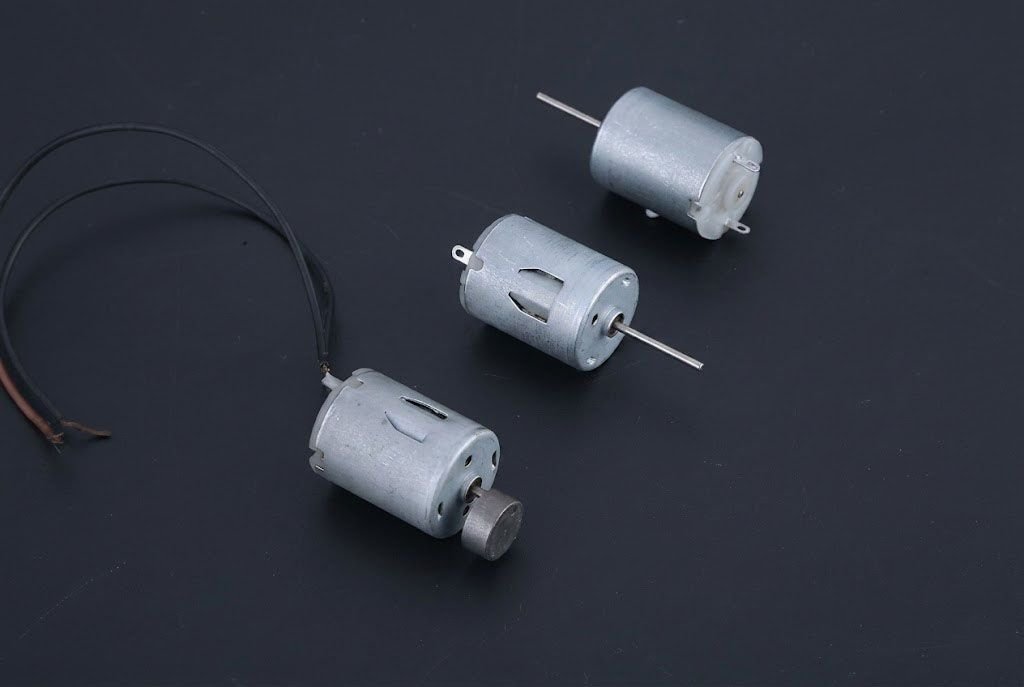
Motor Engineering Excellence
Custom motor matching for low-noise operation and deeper vibration output
Optimizing the Torque-Speed Curve:
Deep vibration does not come from speed alone. For this rabbit vibrator, the key was to improve usable torque at a controlled RPM, rather than forcing the motor to run faster. Kenier Co adjusted the motor matching and output logic so the product could generate a stronger, deeper vibration feel while reducing the high-frequency sound that often appears when speed is pushed too high.
Acoustic Isolation and the <35dB Breakthrough:
Measured from 20 cm in Kenier Co's internal quiet-environment noise test, the revised rabbit vibrator kept full-load operating noise below 35dB. The improvement came from controlling the motor load, reducing cavity resonance, and improving acoustic isolation inside the silicone structure, not from weakening the vibration.
Low-RPM Torque Matching:
The motor output was adjusted to provide deeper vibration at a controlled speed, reducing noise and heat risk.
Acoustic Isolation:
The internal support structure was refined to reduce motor sound transfer into the silicone body.
Load and Heat Control:
The revised setup avoided excessive RPM, helping protect motor stability in a larger silicone product.
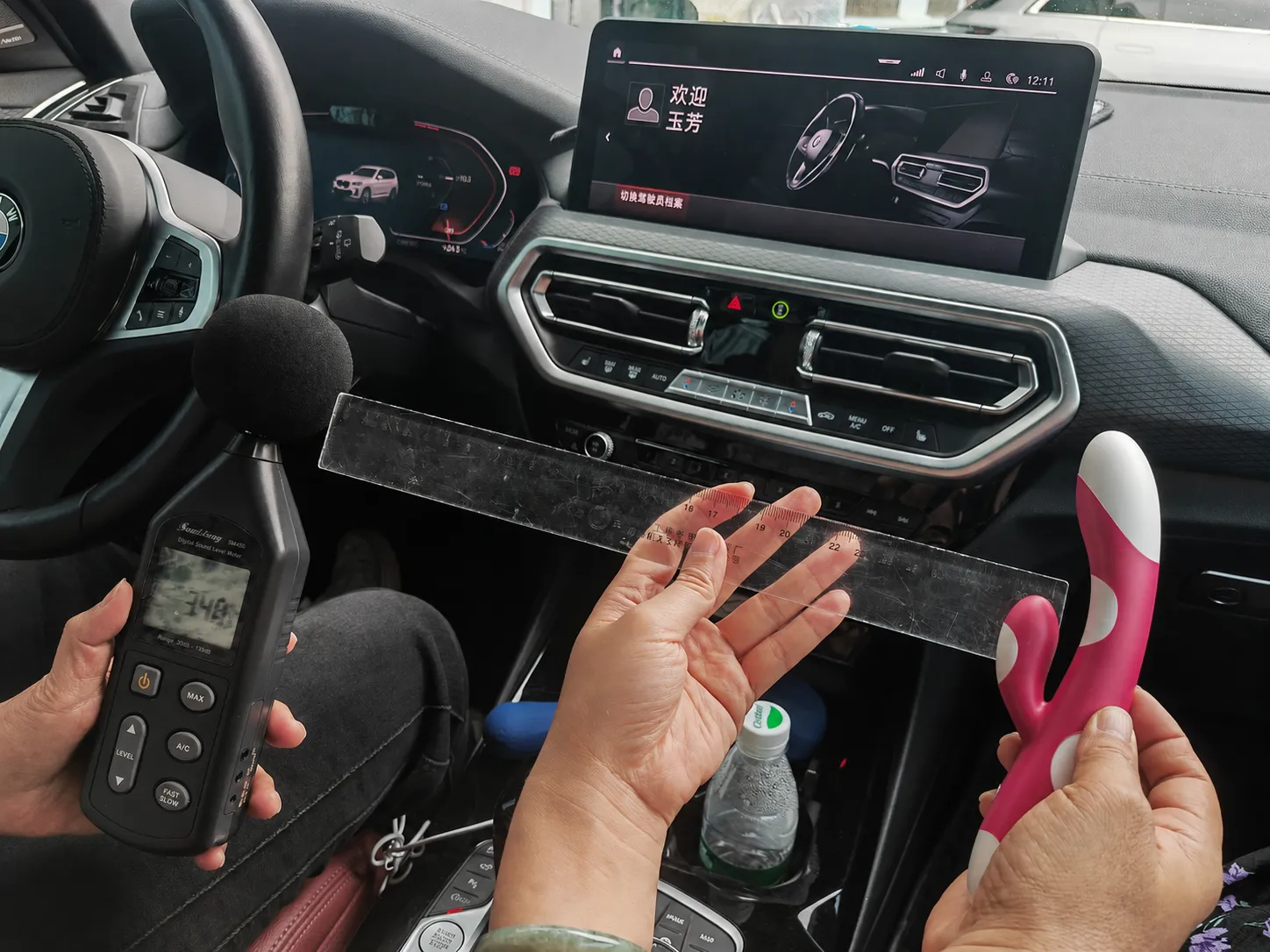
Acoustic Engineering Breakthrough
Low-noise motor matching and acoustic isolation achieving below 35dB full-load operation
Co-Creation Results:
Co-Creation Results: Through 45 days of focused engineering collaboration, we delivered the following results:
Redefining the Quiet Standard:
Under Kenier Co's internal 20 cm quiet-environment test, full-load operating noise was controlled below 35dB, creating a more discreet and premium user experience.
Reshaping the Deep Experience:
By improving motor matching and avoiding unnecessary high-speed operation, the revised product delivered a deeper, stronger vibration feel with better noise control.
Related Engineering Guides
Use these guides to review vibration, motor selection, and after-sales risk before scaling a private label product.
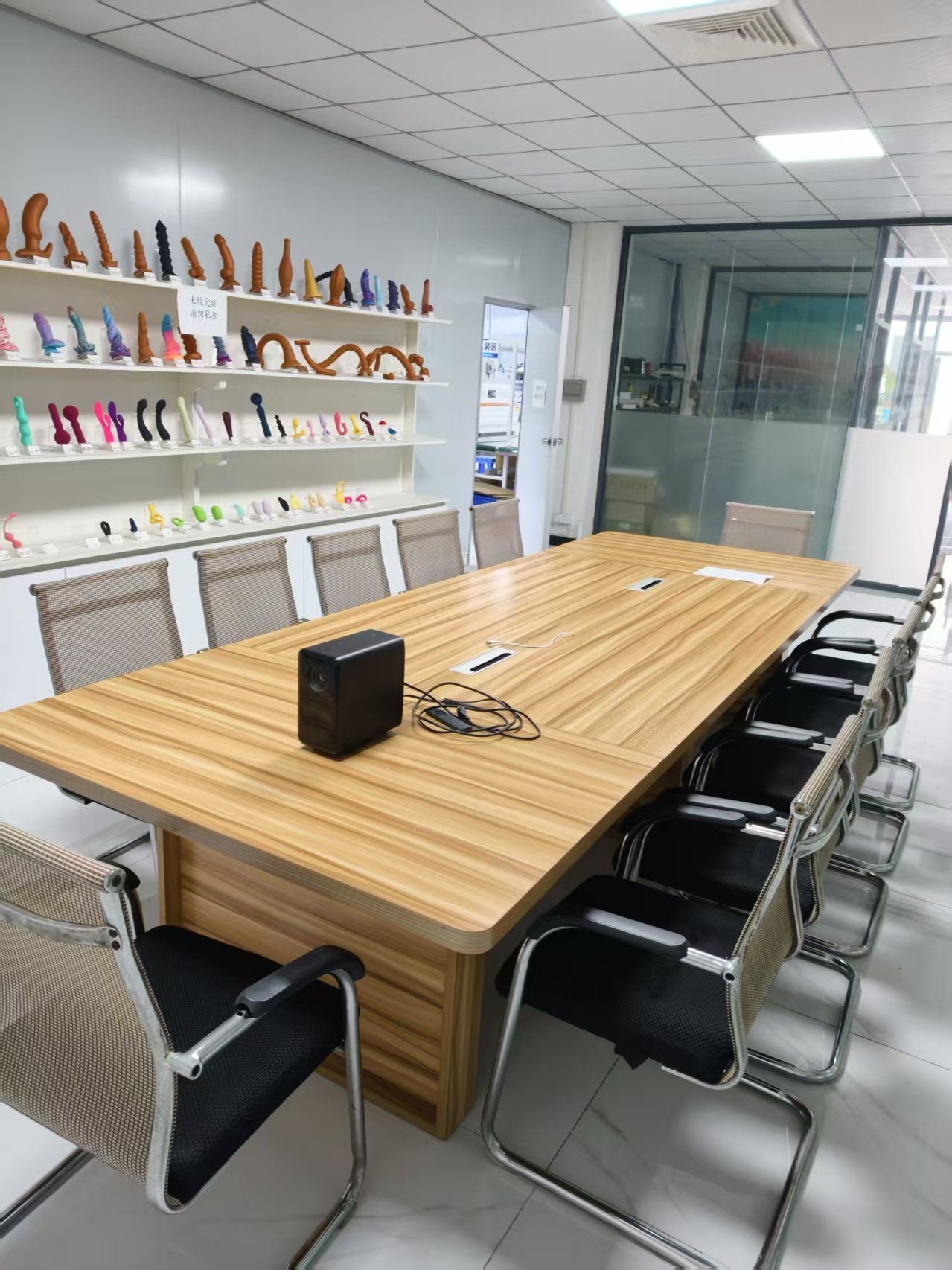
Strategic Partnership Excellence
From supplier to R&D partner - low-noise vibration engineering for brand-level product improvement
From Supplier to R&D Partner:
From Supplier to R&D Partner: This project reinforced Kenier Co's role as an ISO 13485 certified OEM/ODM manufacturer with real engineering support. For intimate wellness brands, a capable factory should understand motor behavior, silicone structure, waterproof assembly, acoustic control, heat-load stability, and repeatable production, not only follow drawings.
Partnership Excellence
Engineering solutions for brands facing motor noise, weak vibration, or silicone cavity resonance