

Which Vibrator Types Should Retailers Stock for a Strong Adult Wellness Product Line?
October 24, 2025 by
ellenyi@adultstoysgd.com
Market ReportChoosing vibrator types is not just a merchandising decision. For adult wellness retailers, wholesalers, private label brands, and platform sellers, the wrong vibrator mix can create slow-moving inventory, high return risk, weak reviews, and unnecessary supplier problems.
The better approach is to build a balanced product line around clear buyer intent. A strong vibrator assortment usually includes entry-level external stimulators, proven dual-stimulation designs, premium wand or thrusting products, couples-focused options, discreet remote-control devices, and safety-conscious anal or specialty products. Each category should be reviewed by material, motor quality, charging design, waterproof structure, packaging, compliance documents, and after-sales risk.
— — —
📌
Featured Snippet Answer
The most useful vibrator types for adult wellness retailers are bullet or mini vibrators, rabbit vibrators, wand massagers, thrusting vibrators, couples vibrators such as vibrating rings, app-controlled or remote-control vibrators, and anal or butt plug vibrators with safe structural design. B2B buyers should not choose these products only by trend. They should evaluate target user, price tier, material documents, motor noise, waterproofing, battery reliability, packaging, and supplier QC before placing wholesale or private label orders.
— — —
🔍
Why Retailers Should Build a Vibrator Mix Instead of Chasing One Bestseller
Many retailers ask for “the best vibrator,” but that is the wrong buying question. Different customers buy for different reasons. Some want a low-risk first product. Some want a stronger motor. Some want a couples product. Some want a discreet app-controlled device. Some want a premium design that can support higher retail pricing.
For B2B buyers, a good product mix should answer five questions:
✓
- Which products can introduce new customers to the category?
- Which products can become repeat bestsellers?
- Which products support a higher-margin private label line?
- Which products require stronger QC or compliance review?
- Which products should link to a broader adult wellness collection?
This is why vibrator sourcing should be handled as portfolio planning, not single-SKU guessing.
For broader category planning, buyers can review private label adult wellness products.
— — —
🔍
1. Bullet and Mini Vibrators: Entry-Level Products for Wide Retail Coverage
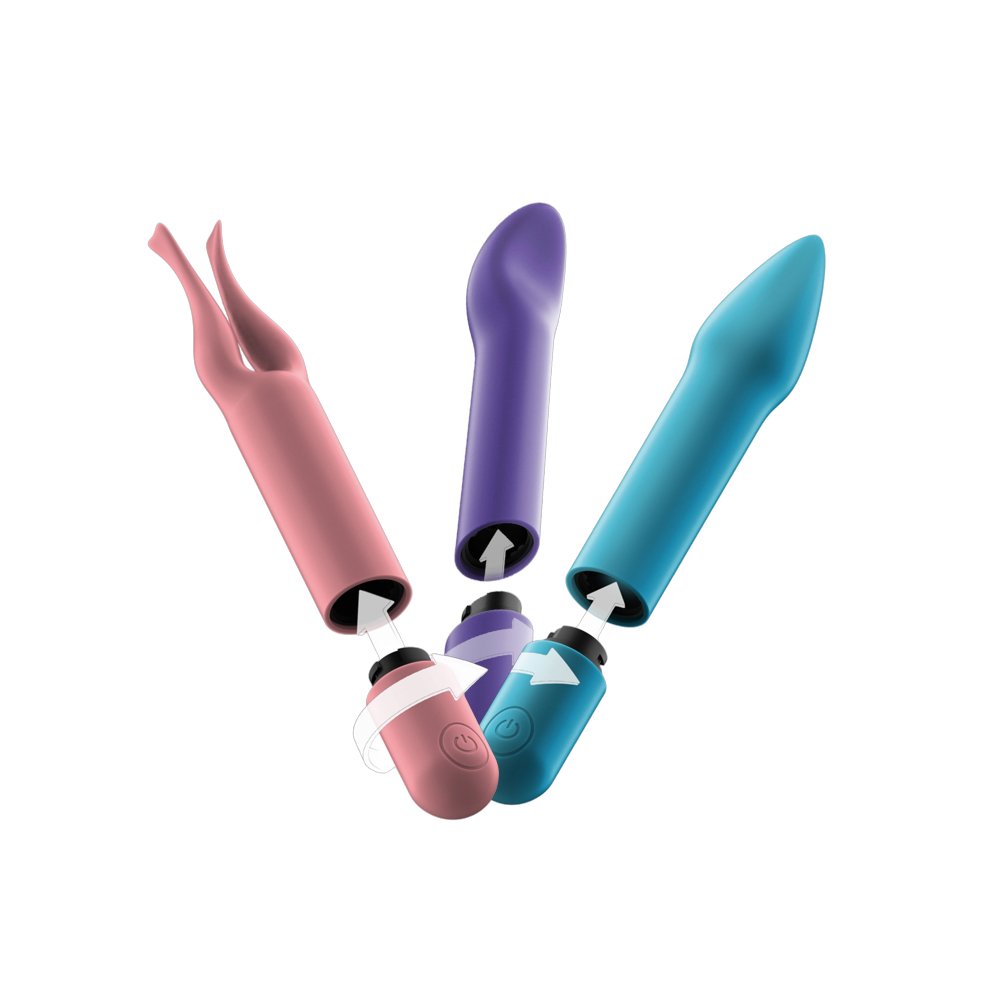
Bullet vibrators and mini vibrators are useful entry points for many adult wellness product lines. They are compact, easy to package, relatively simple to explain, and suitable for gift sets, beginner kits, and e-commerce bundles.
For retailers, their advantage is not only price. A good bullet vibrator can help a brand test color systems, packaging style, motor quality, and customer education before investing in more complex products.
B2B buyers should check:
✓
- motor strength and noise level;
- battery type and charging method;
- waterproof structure;
- button layout and user manual clarity;
- silicone or ABS surface quality;
- packaging size for retail and fulfillment;
- failure rate during charging and aging tests.
Low-cost bullet vibrators can move quickly, but weak motors, poor charging ports, and cheap coatings can damage reviews. For a private label brand, a stable mid-range option is often safer than the lowest unit price.
— — —
🔍
2. Rabbit Vibrators: Proven Dual-Stimulation Products With Strong Brand Potential
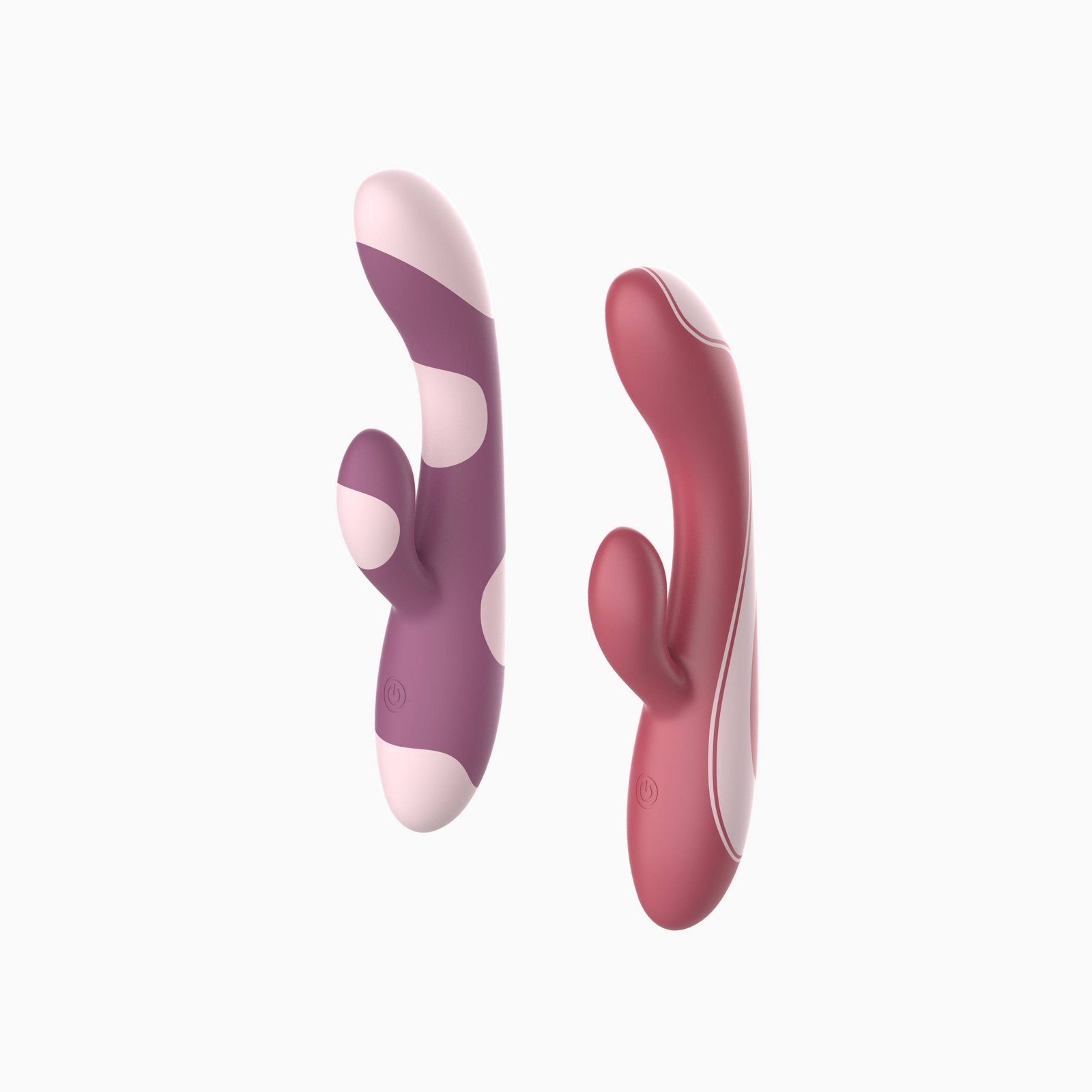
Rabbit vibrators remain one of the most recognizable vibrator styles. Their dual-stimulation structure gives retailers a product that consumers already understand, while still leaving room for private label differentiation through shape, silicone feel, motor tuning, suction function, heating, app control, and packaging.
The sourcing risk is higher than with simple bullets because the product has more structure and more failure points. Buyers should review shaft flexibility, external arm alignment, motor matching, waterproofing, charging stability, silicone bonding, and user comfort during sample testing.
Before placing a rabbit vibrator order, ask the supplier:
✓
- Is this an existing mold or a private mold project?
- Can the external stimulator align with different body shapes?
- What silicone hardness options are available?
- What motor and vibration test can be provided?
- Can the supplier support packaging, manuals, labels, and product documents?
For engineering reference, buyers can review Kenier Co’s rabbit vibrator noise reduction case study.
— — —
🔍
3. Wand Massagers: Premium Power Products That Need Better Motor and Noise Control
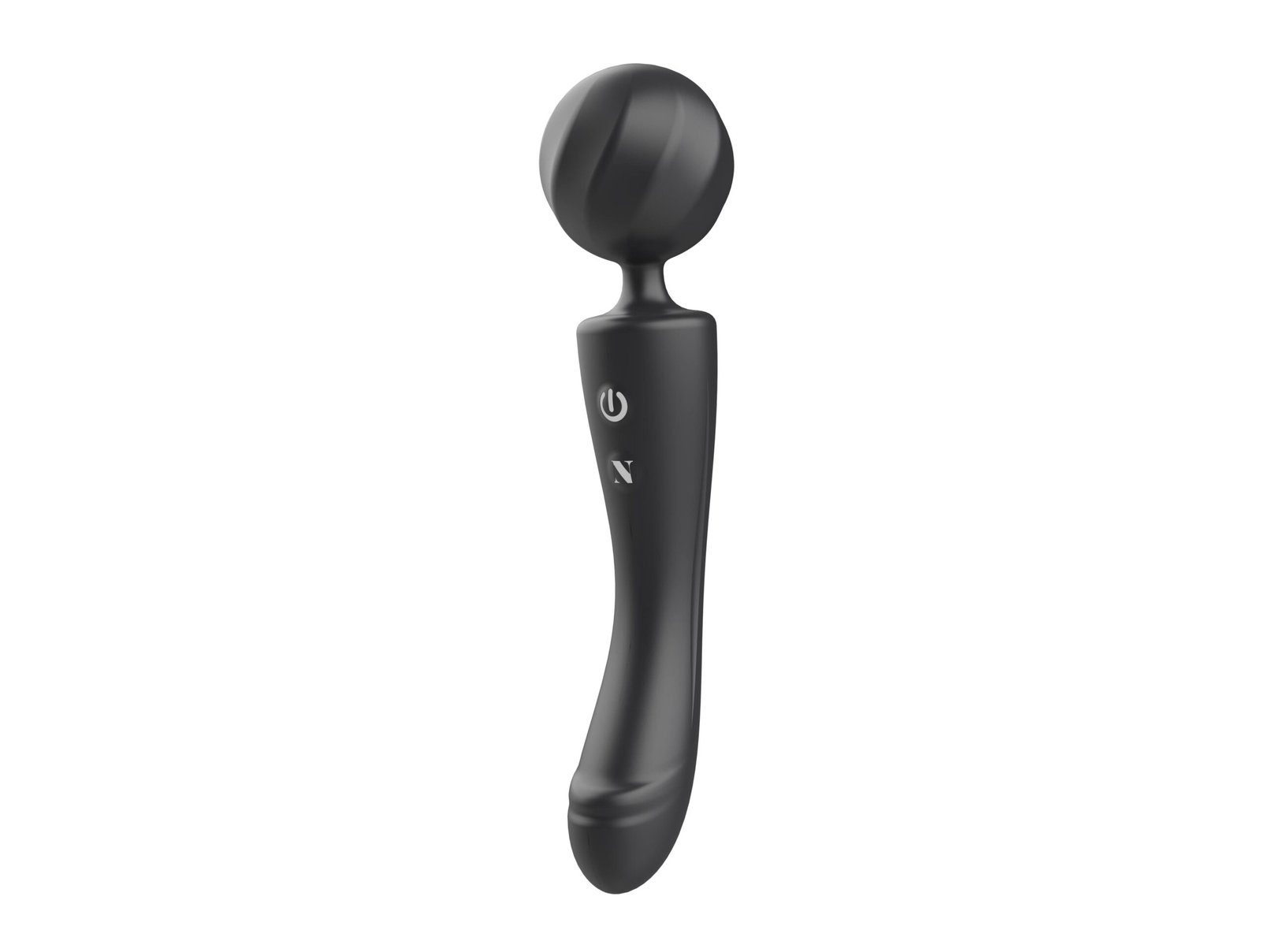
Wand massagers can serve both mainstream retail and premium adult wellness positioning. Their value comes from power, comfort, and perceived quality. But because users expect strong vibration, poor motor design can create noise, hand numbness, heat, or after-sales complaints.
Retailers should not evaluate wand massagers only by vibration intensity. A better sourcing checklist includes:
✓
- vibration depth and motor stability;
- handle comfort and weight balance;
- surface material and cleaning guidance;
- noise control;
- charging and battery performance;
- attachment compatibility if applicable;
- packaging strength for larger products.
For private label buyers, wand massagers can work well as a hero product, but they should be sampled carefully. If the product feels strong but uncomfortable, it may sell once and fail in reviews.
Kenier Co has handled wand-related vibration and comfort engineering cases. Buyers can review the wand massager motor and vibration engineering guide for a more technical example.
— — —
🔍
4. Couples Vibrators and Vibrating Rings: Giftable Products With Clear Channel Value
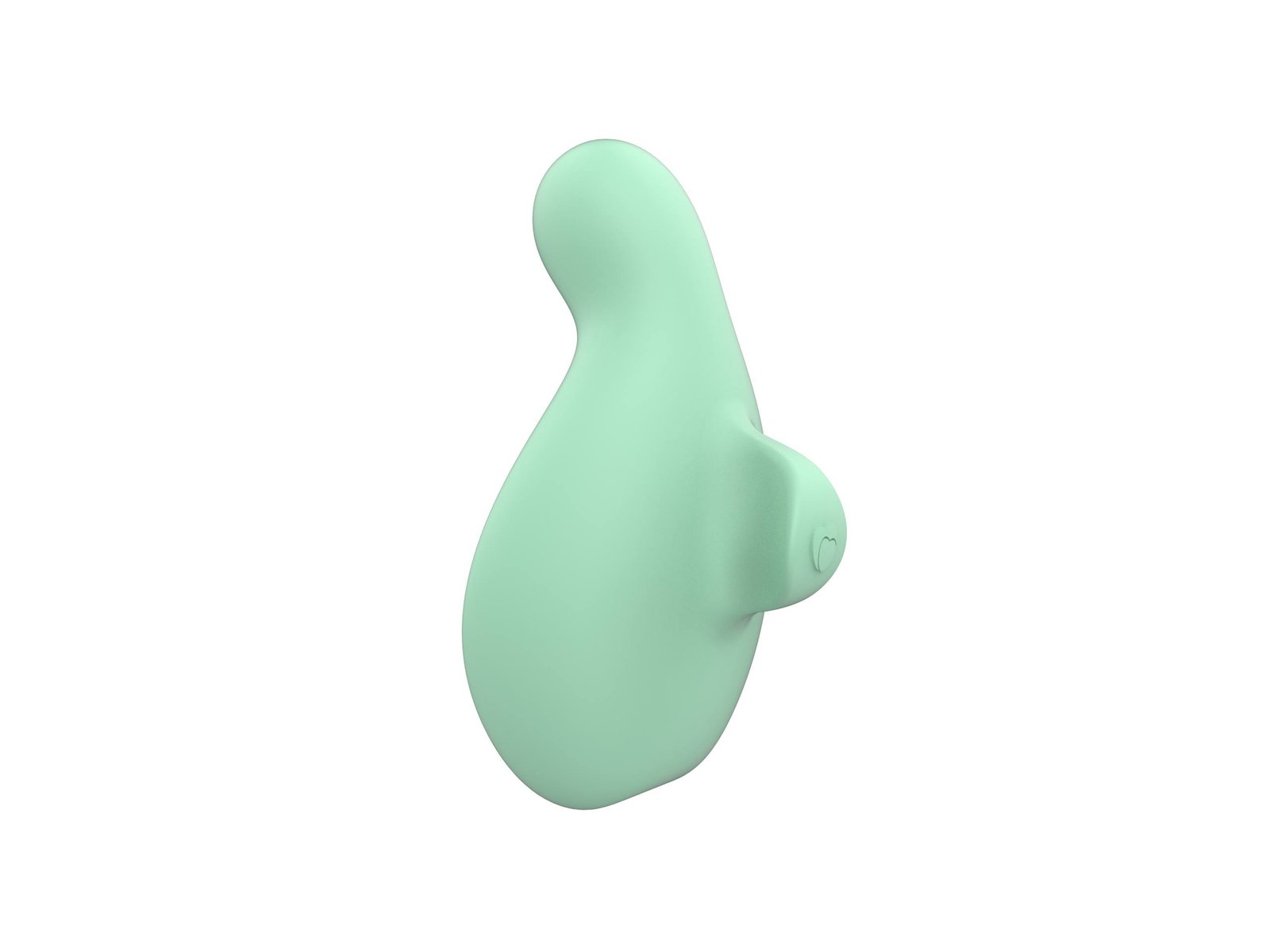
Couples vibrators, wearable couples products, and vibrating rings can support giftable retail positioning. They are useful for Valentine’s Day, relationship wellness campaigns, bundle strategies, and platform listings that focus on shared intimacy rather than explicit product language.
The main sourcing concern is fit and comfort. A vibrating ring, for example, must use a material that is flexible enough for use but strong enough to avoid tearing or deformation. The motor housing should be secure, the edges should be smooth, and the product should be easy to remove.
B2B buyers should check:
✓
- stretch and recovery of the material;
- motor position and contact area;
- emergency removal and product safety design;
- battery and waterproof structure;
- whether the product can be packaged as a couples gift set;
- whether manuals and warnings are clear.
For category sourcing, buyers can review couples vibrator manufacturer.
— — —
🔍
5. Remote-Control and App-Controlled Vibrators: Strong Differentiation With Higher Technical Risk
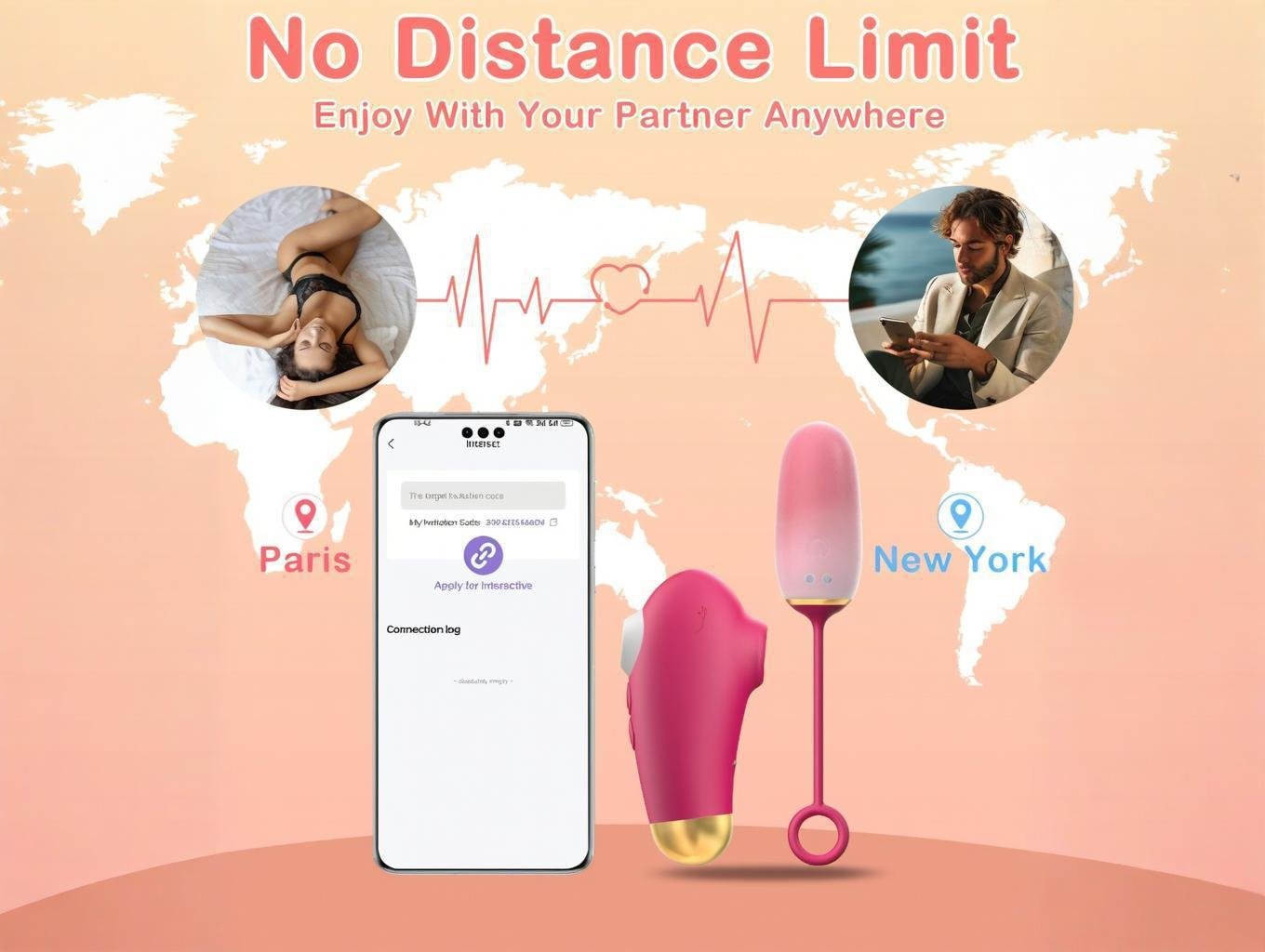
Remote-control vibrators, wearable vibrators, panty vibrators, app-controlled eggs, and long-distance products can help brands create a more differentiated line. These products are attractive because they combine discreet design, couples use, and connected-product features.
They also create more risk than basic vibrators. Buyers should review Bluetooth stability, app usability, privacy expectations, charging reliability, firmware coordination, motor response, waterproof sealing, and customer support requirements.
For app-connected products, B2B buyers should ask:
✓
- Who owns or maintains the app?
- What phone systems and markets are supported?
- How is Bluetooth stability tested?
- What privacy or data-handling information can the supplier provide?
- What happens if users report connection problems after launch?
Do not treat app control as a simple add-on. It is part of the product experience and after-sales risk.
For connected-product planning, buyers can review OEM app-controlled sex toys.
— — —
🔍
6. Thrusting, Suction, and Specialty Vibrators: High-Interest Products That Need Tighter Sampling
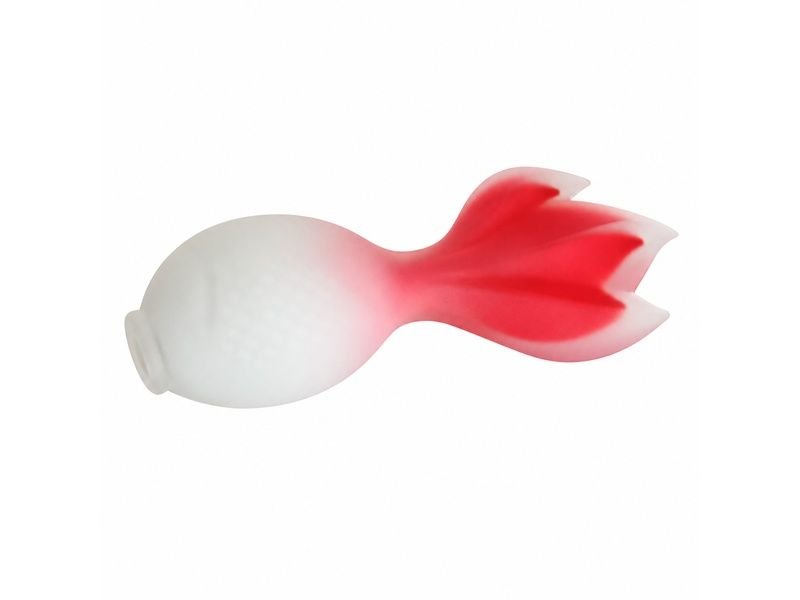
Thrusting vibrators, suction vibrators, tongue-style stimulators, heating products, dual-flapping products, and other specialty designs can help a retailer stand out. They are often easier to market than basic shapes because the function is visible and specific.
The sourcing challenge is repeatable quality. Moving structures, air channels, heaters, motors, and silicone details all increase the number of things that can fail.
Before adding a specialty vibrator to a wholesale or private label line, check:
✓
- whether the function is stable after aging tests;
- whether movement creates excess noise;
- whether the material surface has defects;
- whether the cleaning instructions are realistic;
- whether the packaging explains the function clearly;
- whether spare parts, charging cables, or accessories are controlled.
Specialty products can support premium pricing, but only when the product function is reliable and the buyer understands the QC burden.
— — —
🔍
7. Anal and Butt Plug Vibrators: Safety-by-Design Comes First
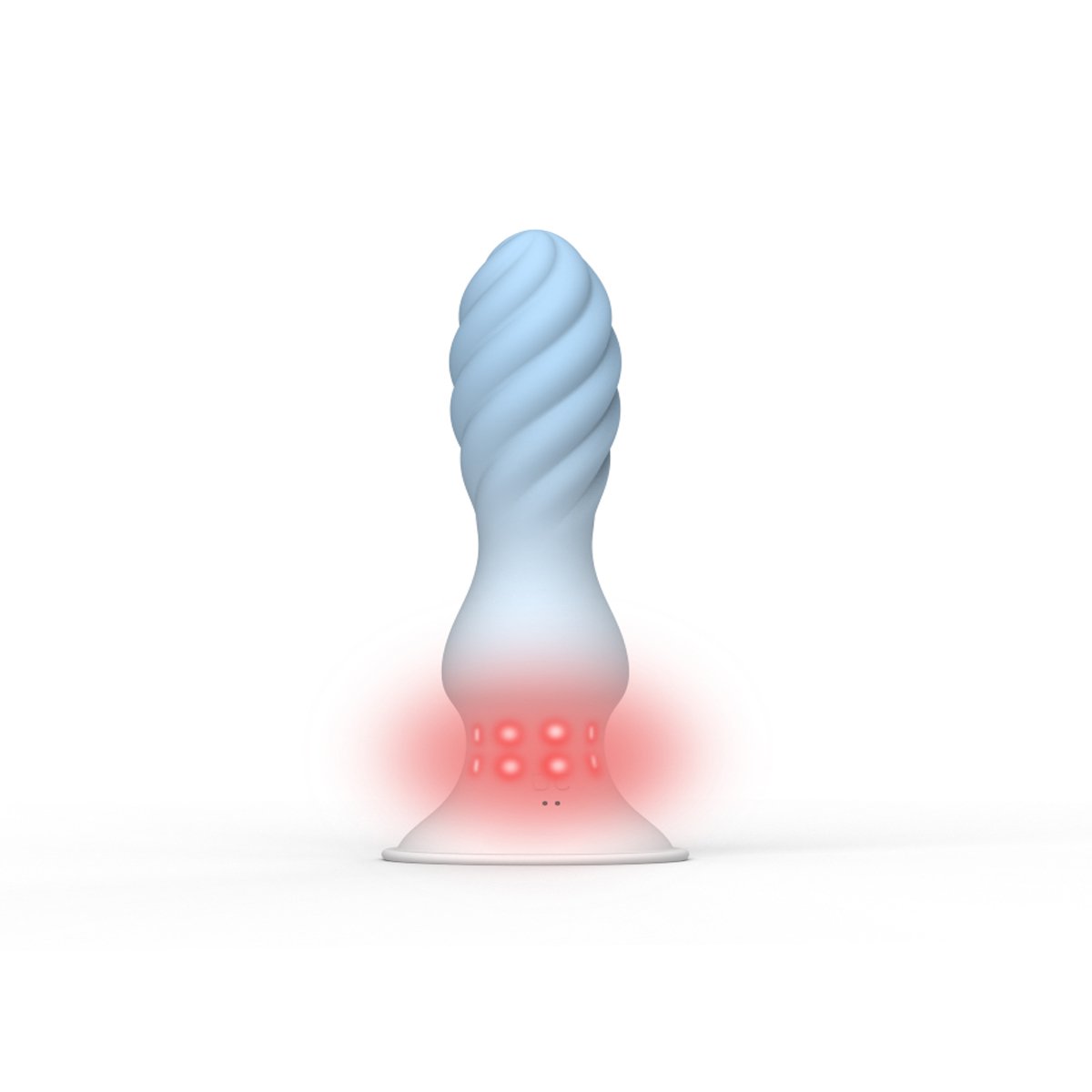
Anal vibrators and butt plug vibrators can serve a specific and profitable category, but buyers must treat structure as a safety issue. A tapered body, smooth surface, appropriate size range, and secure flared base are not decorative details. They are part of responsible product design.
ISO 3533:2021 covers safety and user information requirements related to materials and design for manufactured products intended for sexual use and direct contact with the genitalia or anus. For B2B buyers, this makes structural review especially important for insertable products and anal products.
When sourcing anal vibrators or vibrating plugs, ask:
✓
- Is the base wide and secure enough for the intended use?
- Are there sharp edges, burrs, seams, or hard transitions?
- Is the motor sealed properly?
- Is the product easy to clean according to the manual?
- Are size, use guidance, warnings, and packaging claims reviewed?
For safety-sensitive products, sample approval should include structure, material, packaging, and user information, not only appearance.
— — —
🔍
How to Build a Practical Vibrator Product Line
A retailer or brand does not need every vibrator type at once. A more practical first-stage line may include:
✓
- 1-2 entry products such as bullet or mini vibrators;
- 1 proven dual-stimulation product such as a rabbit vibrator;
- 1 premium or hero product such as a wand, suction, or specialty vibrator;
- 1 couples product or remote-control product;
- 1 carefully selected anal or men’s wellness product if it fits the channel.
Then review the line by price tier, product documents, packaging, and after-sales risk. The goal is not to chase every trend. The goal is to build a product mix that your sales channel can explain, support, and reorder.
For supplier evaluation, buyers can also review adult toy quality control process and adult toy sourcing FAQs.
— — —
❓
People Also Ask
✦
What vibrator types should retailers stock first?
Retailers should usually start with a balanced mix: bullet or mini vibrators for entry-level buyers, rabbit vibrators for proven demand, wand or specialty vibrators for premium positioning, couples products for giftability, and app-controlled or remote-control products when the supplier can support technical QC.
✦
How should B2B buyers compare vibrator suppliers?
B2B buyers should compare suppliers by material options, motor quality, waterproof structure, charging reliability, sample support, packaging capability, QC process, and available documents. The lowest price is not useful if the product creates high returns or weak reviews.
✦
Are app-controlled vibrators good for private label brands?
They can be useful, but they require stronger supplier capability than basic vibrators. Buyers should review app stability, Bluetooth testing, privacy-related information, battery performance, waterproof design, and after-sales support before launching a connected product.
✦
What materials should buyers check for vibrator sourcing?
Buyers should review silicone hardness, surface feel, coating quality, ABS or plastic components, material data sheets, and relevant testing context. For intimate-contact products, material claims should be supported by supplier documents rather than broad statements such as “100% safe.”
✦
How can retailers reduce vibrator returns?
Retailers can reduce returns by choosing stable motors, reliable charging, clear manuals, realistic product claims, suitable packaging, and suppliers with aging, waterproof, charging, vibration, and final inspection processes. Clear user guidance also reduces avoidable after-sales issues.
— — —
★
Conclusion
The best vibrator product line is not built around one trend. It is built around buyer intent, channel fit, supplier capability, and repeatable quality.
For retailers, wholesalers, and private label brands, bullet vibrators, rabbit vibrators, wand massagers, couples products, app-controlled devices, specialty vibrators, and anal vibrators can all play a role. The key is to match each category with the right material, structure, motor, battery, packaging, and QC expectations.
Kenier Co supports B2B buyers with OEM/ODM adult wellness product development, existing mold modification, packaging support, material options, electronics review, and quality-control coordination. To discuss a private label vibrator or adult wellness product line, share your product requirements with Kenier Co.
✦ ✦ ✦

Latest Articles
October 14, 2026
What Can Retailers Learn About Sexual Wellness Marketing From a Brand's Customer Community?
Retailers need reasons for customers to pay attention between purchases. Repeating a discount link can leave product questions unanswered, while
October 2, 2026
How Does Sex Toy Logo Customization Work on Existing Products?
You have selected a product and prepared your brand artwork. Adding the logo looks like the easy part—until the supplier
September 29, 2026
How Is a Pornstar Dildo Developed for a Licensed Brand Collection?
A brand may have an adult performer ready to collaborate, yet still struggle to turn that agreement into a product
September 22, 2026
Adult Wellness Repeat Purchase: What Product Teams Should Review After the First Sale
A strong feature can help win a first sale. It does not guarantee the next one. For adult wellness brands,