

What Makes an Adult Toy Easier for Brands to Market? A Product-Development Perspective
September 14, 2026 by
ellenyi@adultstoysgd.com
Product KnowledgeSome adult toys are technically sophisticated but still take several minutes to explain. Others make sense in one sentence.
That difference often begins before the campaign. Adult toy product positioning is partly a product-development decision: who is the product for, when would that person use it, what benefit can they perceive, and why should they choose it over a familiar alternative?
A product is easier to position when its value is easy to understand, easy to feel, easy to demonstrate, and consistent with its audience, price, channel, design and packaging.
◆ Marketability Starts With Product Definition
When a buyer brings Kenier Co a new idea, useful questions include:
- Who will use it?
- In what situation?
- What problem or experience should it address?
- What is the nearest competing product?
- What is the target retail price and channel?
- Why would a customer switch to this product?
These answers can influence geometry, controls, motor behavior, charging, materials, surface finish and packaging.
A real OEM project becomes clearer when every SKU has a role. The adult toy product selection case study shows how a broad brand brief was narrowed into products with different roles before sampling and tooling.
◆ What Makes a Product Easier to Position?
| Product question | Positioning value |
|---|---|
| Is the target user clear? | Gives the brand a specific person to speak to |
| Is the use case easy to picture? | Makes the product easier to explain than a feature list |
| Is there one primary difference? | Prevents minor features from competing for attention |
| Can the user perceive the benefit? | Turns an invisible specification into a real experience |
| Can the difference be demonstrated? | Makes motion, form or interaction easier to understand |
| Do product, CMF and packaging agree? | Reinforces one coherent market position |
A useful USP should come from this logic. It is not merely a slogan added to a finished product. It is the shortest truthful explanation of a meaningful difference.
◆ Three Product Directions With Clear Stories
◇ 1. App-controlled wearable for long-distance couples
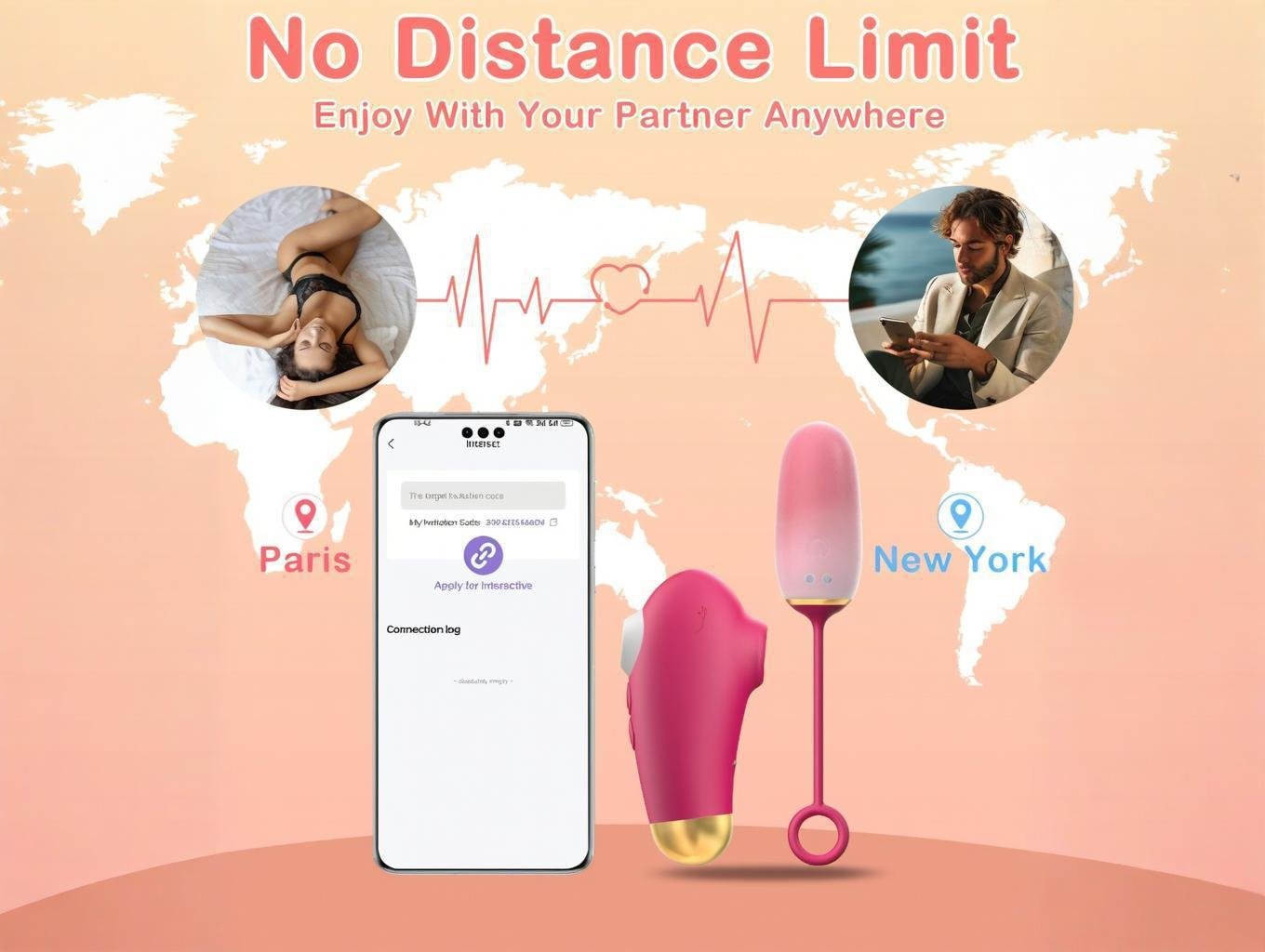
The engineering feature may be Bluetooth or App control. The market-facing story is the use case: partners can interact with a wearable product while apart.
That is easier to understand than “Bluetooth-enabled vibrator.” The scenario explains why connectivity matters.
Kenier Co’s App-controlled sex toys OEM page covers the manufacturing side, including product structure, motor patterns, charging, Bluetooth coordination, App interaction and production control.
Bluetooth is the feature. Connected interaction is the reason the user cares.
◇ 2. Air-pulse product with a visibly different mechanism
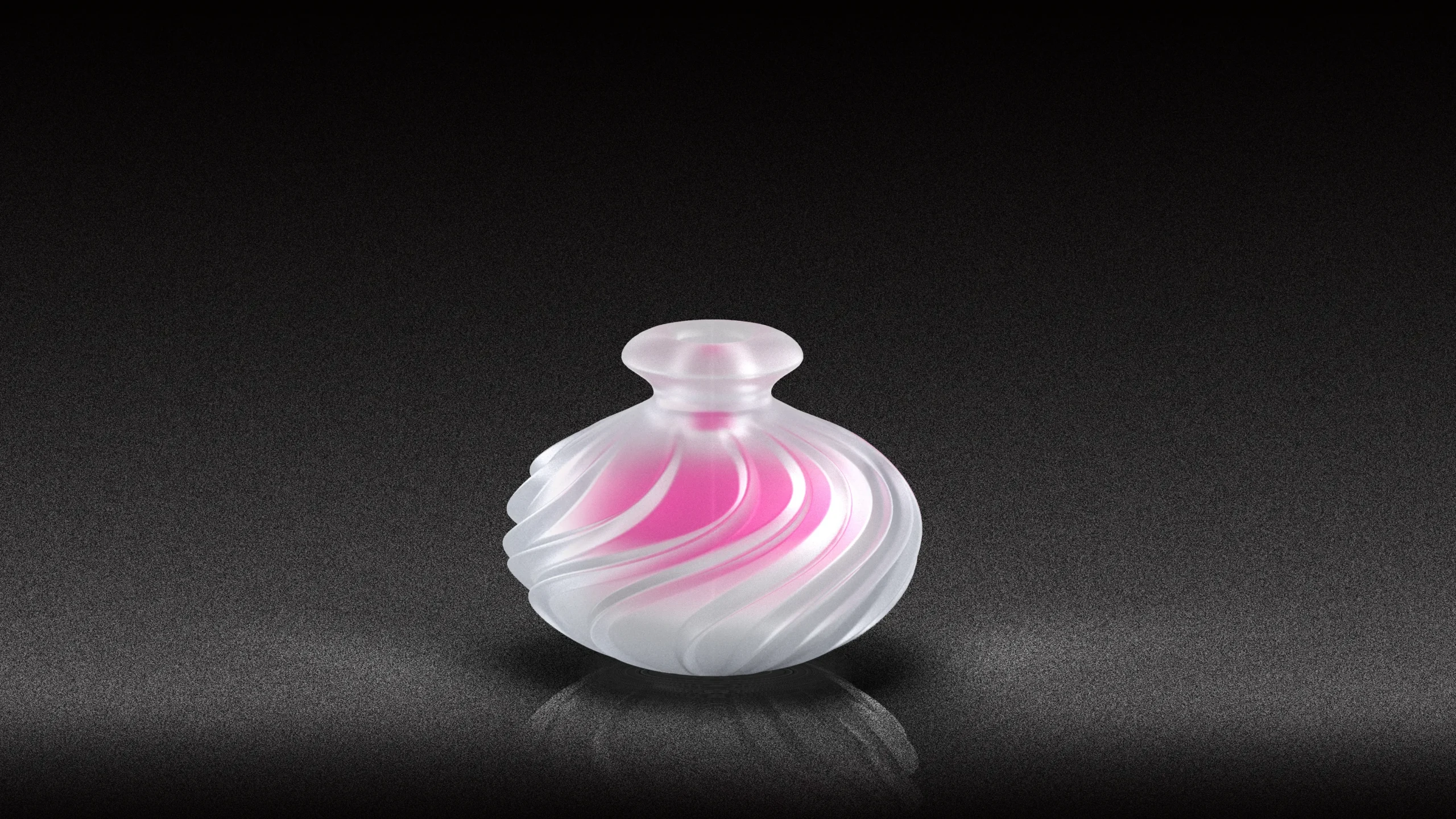
An air-pulse product is easier to distinguish because the buyer can show the nozzle and explain air-pressure pulses rather than relying on another vibration-mode claim.
The strong positioning is not “better than every vibrator.” It is a different mechanism with a different product story.
Kenier Co supports air-pulse and other female product structures within its custom female adult toys development range.
◇ 3. Discreet beauty-object form for beginner positioning
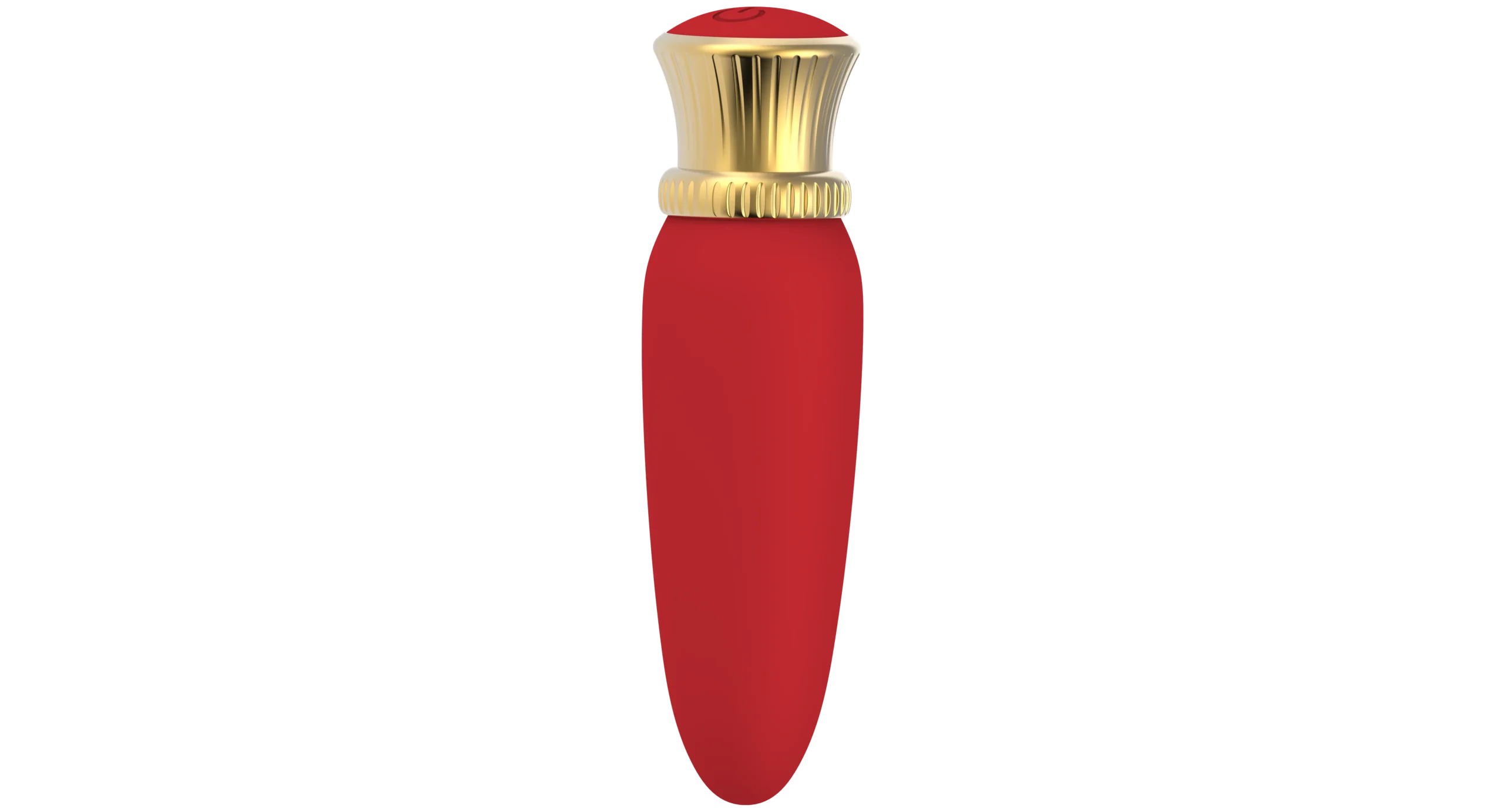
A compact vibrator shaped more like a cosmetic or personal-care object can reduce visual intimidation for a beginner-oriented line.
But form alone is not enough. Controls, accidental-activation protection, charging, sound, surface feel, packaging and instructions should reinforce the same discreet, approachable direction.
The adult wellness products manufacturing overview shows why product role, sensory experience, engineering, packaging and channel positioning should be planned together.
◆ Engineering Differentiation Is Not Automatically a Selling Point
Consider a rotating-and-thrusting rabbit vibrator with three programs:
- clockwise rotation with thrusting;
- counterclockwise rotation with thrusting;
- alternating half-turn rotation with thrusting.
Technically, these modes are different. But real feedback around this type of product raised a more important question: what difference is the user supposed to feel?
“Clockwise,” “counterclockwise” and “alternating” describe the mechanism, not the benefit.
The brand should identify the real motion signature of each mode and demonstrate it honestly. A product video, motion diagram, transparent prototype view or neutral test medium can show continuous spiral, reverse spiral and alternating rotational movement more clearly than Mode A, Mode B and Mode C.
Then the finished sample must confirm that the difference is noticeable and repeatable before the marketing team builds a message around it.
Engineering differentiation becomes market-facing differentiation only when the user can understand or perceive it.
◆ More Features Can Make Positioning Worse
In one project, a seller asked for extremely strong vibration and 15 vibration modes. The specification sounded impressive, but the development question was whether the target user could easily find a comfortable, preferred experience.
For that project, Kenier Co suggested simplifying the experience to roughly three to five clearer levels or patterns, progressing from lower to stronger output. A display or App could be considered only if it supported the product position and architecture.
That was a project-specific recommendation, not a universal rule.
Every added function should justify its effect on the target user, price tier, structure and power system. More output can affect motor, battery and runtime. More modes increase control complexity. An App adds another interaction layer.
If a feature does not strengthen the main reason to buy, it can make both the product and the message harder to understand.
◆ Translate the Desired Experience Into Engineering Questions
Product briefs often begin with subjective language. Engineering must translate that language into variables that can be designed and validated.
◇ “We want deeper, more rumbly vibration—not a buzzy feel”
This is not yet a specification.
Engineers may need to evaluate motor characteristics, eccentric mass and geometry, mounting, internal structure, silicone thickness, PCB drive behavior and battery capability as one system.
The goal is not to assume that one component creates the desired sensation. It is to test a finished configuration against the intended experience.
◇ “We want a discreet, beginner-friendly product”
That brief may affect:
- non-intimidating geometry and size;
- simple controls and comfortable starting intensity;
- tactile button feedback;
- travel-lock or accidental-activation logic;
- quiet-operation targets under defined test conditions;
- charging architecture;
- surface feel, CMF, packaging and instructions.
“Beginner-friendly” becomes useful only when it changes decisions the customer can see, feel or operate.
Kenier Co’s adult toy factory capabilities include appearance, structure and electronic engineering support for OEM/ODM projects, where this translation from product brief to manufacturable design takes place.
◆ Perceivable Details Often Carry More Value Than Invisible Complexity
Not every differentiator needs a new technology.
| Engineering or process detail | What the user can perceive |
|---|---|
| Better-controlled parting line and finishing | Smoother, more refined tactile finish |
| Defined button shape and switch feedback | Easier operation without looking at the controls |
| Acoustic tuning | A different perceived sound character, not only a dB figure |
| Dual-density or layered soft structure | A different balance of softness and support |
| Coordinated matte or other CMF treatment | A visual and tactile cue supporting the intended position |
These details should not be exaggerated. A smooth seam does not by itself prove waterproofness, hygiene or safety. If the brand wants to publish a numerical noise or waterproof claim, the finished product still needs appropriate validation.
A useful question is:
Can the customer perceive the difference without reading the BOM?
If yes, the feature may have strong positioning value.
◆ Product, CMF and Packaging Should Tell the Same Story
Packaging should reinforce the product rather than compensate for unclear positioning.
For many mature brands, the client supplies the core brand and packaging design while Kenier Co arranges production with packaging partners. The factory’s role is mainly manufacturing-focused: feasibility, surface treatment, logo process, product structure, packaging size, insert direction and practical production or shipping considerations.
A matte finish may reinforce a premium direction when it fits the product. A production-friendly logo method can simplify manufacturing in suitable designs. Packaging dimensions and internal supports should also match the finished product and shipping needs.
If the product promise is discreet, simple and premium, the form, controls, CMF, logo and packaging should not tell five different stories.
◆ Validate the Difference Before Marketing Uses It
Before a brand builds a launch message around a product difference, the approved sample should show that the difference is real.
- A quiet-positioning claim needs defined test conditions.
- Motion modes should feel or behave meaningfully differently on the finished sample.
- Surface feel should be approved using the real material, hardness and finish.
- Waterproof positioning should match finished-product testing.
- App interaction should be validated on the actual pairing and control behavior required for the project.
Product positioning is strongest when the marketing team receives a product story the finished product can support.
◆ An 8-Question Product Positioning Check
Before approving a hero SKU or major feature set, ask:
- Who is this product for?
- What use case can that person picture immediately?
- What one experience, problem or benefit does it primarily own?
- What difference can the user see, hear, feel or operate?
- How is it different from the nearest alternative?
- Can that difference be shown in a sample, image, video or simple explanation?
- Can important market-facing claims be supported by the finished product?
- Do the form, controls, CMF, price tier, channel and packaging reinforce the same position?
If several answers are unclear, another feature is unlikely to solve the real problem.
◆ Frequently Asked Questions
◇ Is a USP the same as a technical feature?
No. A technical feature describes what the product contains or does. A useful USP explains why a meaningful difference matters to the target user. The strongest version connects a real feature to a perceivable benefit that can be demonstrated and supported.
◇ How many functions should an adult toy have?
There is no universal ideal number. The function set should match the target user, product role, price tier, controls, internal structure, battery and intended experience.
◇ Can a manufacturer help with product positioning?
A manufacturer should not replace the brand’s marketing team. An experienced OEM/ODM team can, however, translate a positioning brief into manufacturable decisions around appearance, structure, electronics, materials, finish, controls, logo, samples and packaging feasibility.
◇ How should brands explain similar motion modes?
Start with the difference a user can perceive, then show the mechanism that creates it. If two modes cannot be distinguished clearly on the finished sample, different technical names alone will not create a stronger product story.
◆ Make the Product Easier to Understand Before Making Marketing Louder
The easiest adult toy to position is not necessarily the one with the most functions or most complex engineering.
It is the one whose audience, use case, perceivable benefit and differentiation align with the physical product.
For a new OEM/ODM brief, bring the target user, use scenario, reference products, target channel, price tier and desired experience into the engineering discussion. Kenier Co can then review manufacturability, identify which product details may need adjustment, and help define which features should be validated before the final product is approved.

Latest Articles
October 14, 2026
What Can Retailers Learn About Sexual Wellness Marketing From a Brand's Customer Community?
Retailers need reasons for customers to pay attention between purchases. Repeating a discount link can leave product questions unanswered, while
October 2, 2026
How Does Sex Toy Logo Customization Work on Existing Products?
You have selected a product and prepared your brand artwork. Adding the logo looks like the easy part—until the supplier
September 29, 2026
How Is a Pornstar Dildo Developed for a Licensed Brand Collection?
A brand may have an adult performer ready to collaborate, yet still struggle to turn that agreement into a product

September 22, 2026
Adult Wellness Repeat Purchase: What Product Teams Should Review After the First Sale
A strong feature can help win a first sale. It does not guarantee the next one. For adult wellness brands,