
How Is a Pornstar Dildo Developed for a Licensed Brand Collection?
September 29, 2026 by
ellenyi@adultstoysgd.com
Product KnowledgeA brand may have an adult performer ready to collaborate, yet still struggle to turn that agreement into a product brief. Photographs do not establish every dimension, an attractive model does not establish silicone feel, and a licensing agreement alone does not define the finished product.
A licensed pornstar dildo project connects an authorized reference with an approved design, physical model and silicone sample. Buyers then approve production tooling and the first production piece before volume manufacturing. The reference determines the shape; the material, product specification and sample determine what the brand will actually sell.
Kenier Co supports this work through dual-layer liquid silicone development, physical-reference reproduction and photo-based 3D design. The useful starting question is simple: what has already been authorized and approved?
◆ Which Reference Can Your Brand Provide?
A performer replica and a broader creator collaboration can use similar development steps. However, the product name and story should accurately describe the person and the reference. A creator-designed product should not automatically be presented as a direct body cast.
There are four practical starting points:
| Reference | What it provides | What needs review |
|---|---|---|
| An authorized physical cast taken directly from the person | A physical starting reference for proportions and surface details | Condition, dimensions and any product-specific changes |
| A physical model supplied by the customer | An existing shape that can be assessed for reproduction | Its origin, approved features and manufacturing suitability |
| Clear photographs from several angles | Visual information for photo-based 3D reconstruction | Missing dimensions, unseen details and design revisions |
| A customer-supplied 3D file | A digital shape for engineering review | Scale, version, surface detail and sample approval |
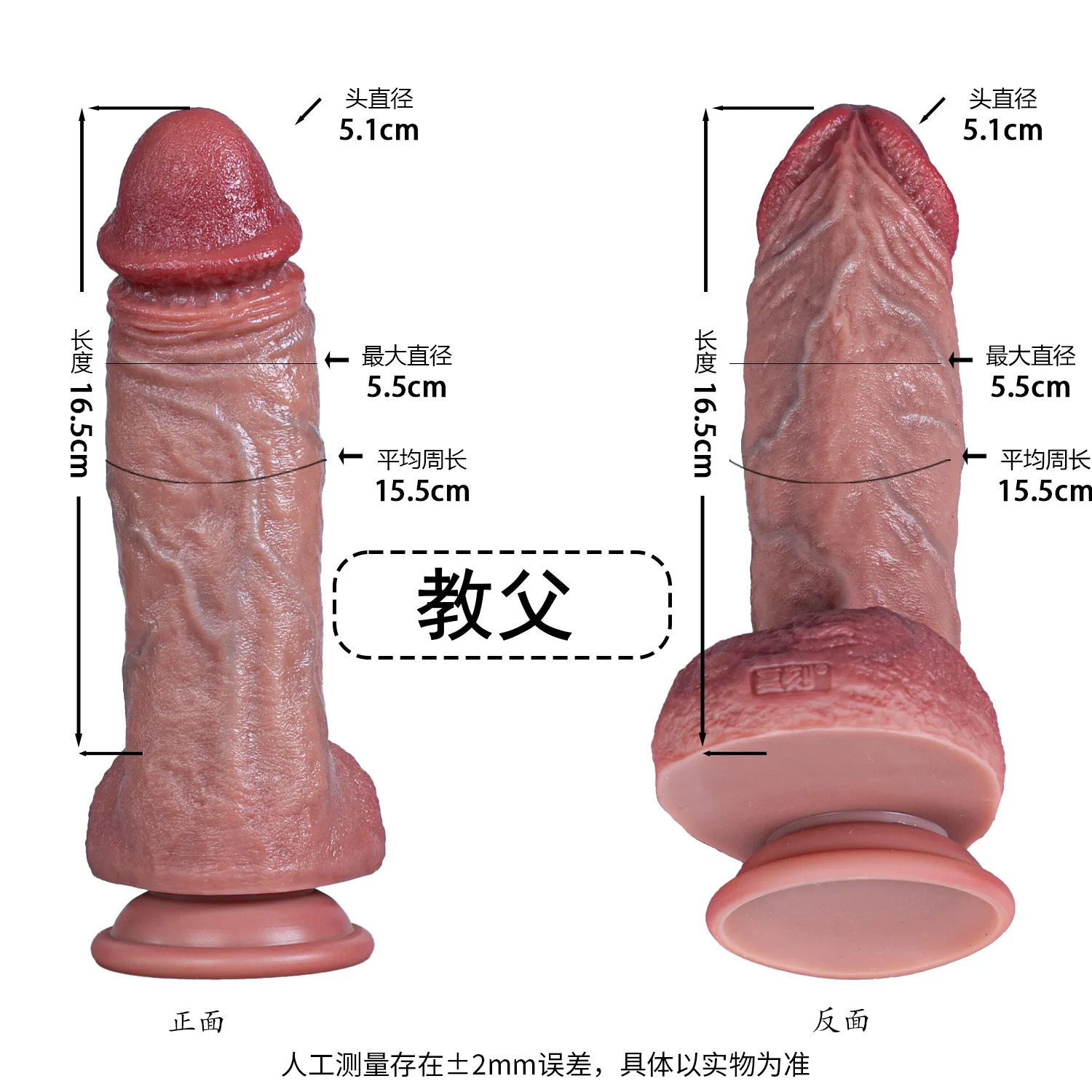
Remote projects can therefore begin without bringing the performer to the factory. The buyer should first describe the available reference and its authorization status, then agree on how private materials will be transferred.
For our own brand and customer projects in China, references have included customer photographs, approved 3D designs and parameters from models or creators already authorized for specific projects. Using an existing authorized reference still requires checking whether its permitted use covers the proposed brand and collection.
◆ What Does 1:1 Mean Compared with Visual Similarity?
Define 1:1 against a named, approved reference. Record which dimensions retain the original scale and which features, such as the base or logo area, are separate product decisions.
A photo-based reconstruction is different from a direct physical cast. In our experience, photo-based projects can reach approximately 85–90% visual similarity. This is an experience-based estimate, not a standardized measurement or an exact-copy guarantee. Reference quality and sample review remain decisive.
Instead of approving “a realistic look,” review specific features:
- Overall proportions and agreed dimensions.
- Surface texture and details that should remain recognizable.
- Features reconstructed from incomplete information.
- Base, branding and other intentional changes.
Keep a reference version with the approval record. A scaled variation should be described as that variation, rather than presented as unchanged original-size reproduction.
◆ How Does Dual-Layer Liquid Silicone Affect the Sample Decision?
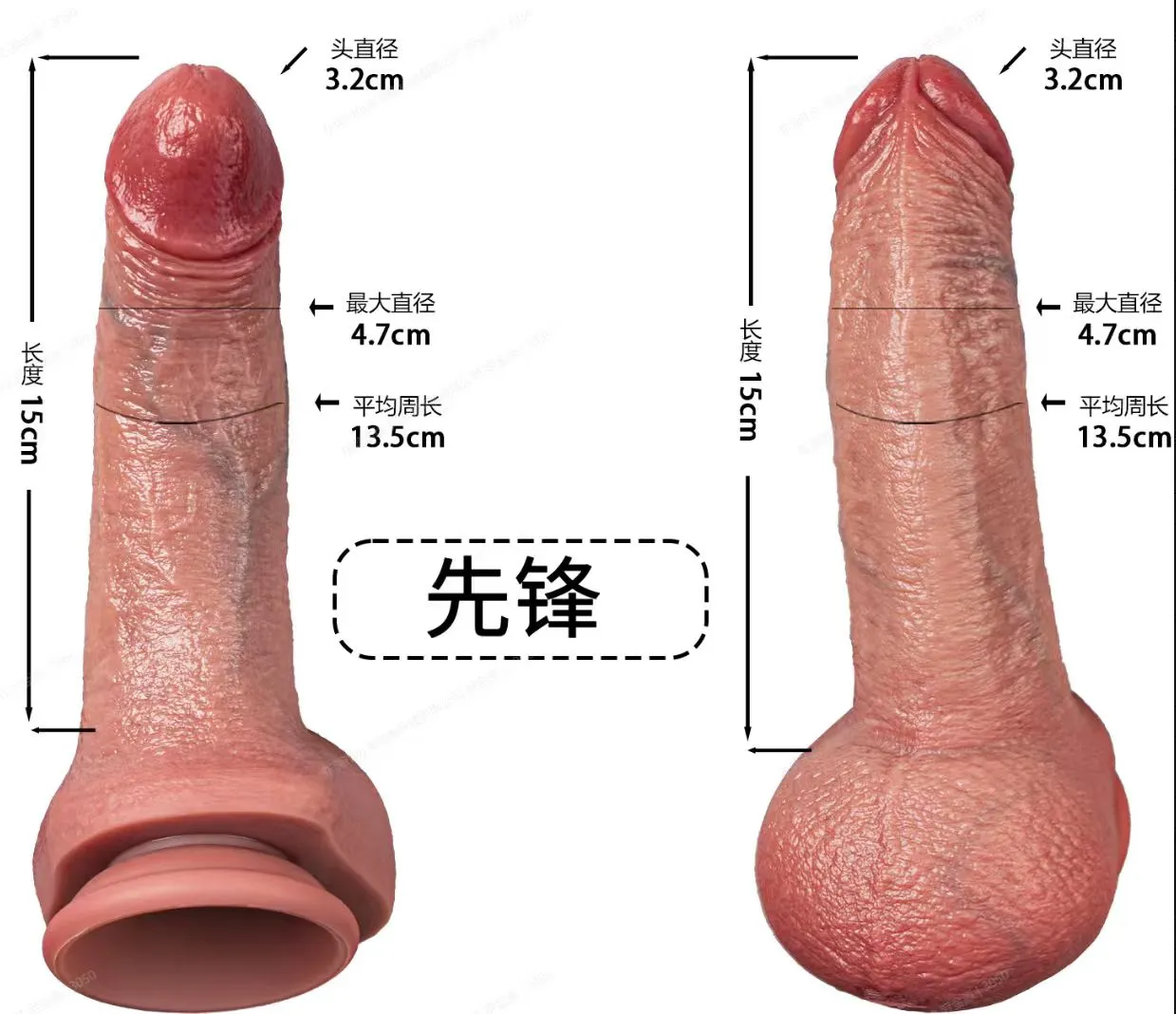
The replica range discussed here uses dual-layer liquid silicone, with a softer outer layer and a firmer inner core. Shape approval and feel approval are separate decisions.
We can adjust silicone Shore hardness through sample iterations to work toward the buyer’s preferred feel. Ask the supplier to record the agreed material configuration alongside the approved sample, rather than relying only on descriptions such as “soft” or “premium.”
A stock sample is useful for assessing surface finishing, material feel and general workmanship. It does not approve a new performer’s shape. Conversely, an appearance model can establish geometry without demonstrating the final silicone feel.
For structural questions beyond the replica reference itself, review our silicone material and structural design considerations.
◆ What Must Be Approved Before Volume Production?
Our sequence for these projects is:
Design approval → appearance model and dimensions → silicone finished sample → mass-production mold → first production piece → volume production.
| Stage | Buyer’s decision |
|---|---|
| Design | Does the design reflect the authorized reference and agreed changes? |
| Appearance model | Are proportions, dimensions, texture and base acceptable? |
| Silicone sample | Are feel, color, finish and the combined product acceptable? |
| Production mold | Is the approved specification ready for production tooling? |
| First production piece | Does the production result match the approved sample and specification? |
| Volume production | Can manufacturing proceed against the agreed requirements? |
The silicone sample is approved before the mass-production mold in this development route. The first piece from production tooling provides another comparison before the batch proceeds.
When requesting a revision, identify the feature and the expected change. A marked image, dimension or side-by-side sample comparison is more useful than “make it more realistic.”
For purchasing teams, keep the reference, approved model, material configuration, color and sample identity connected. Ask how deviations will be recorded and resolved before accepting a production schedule. Our explanation of prototype, approved-sample and pilot-run validation provides additional context for these decisions.
◆ Which Test Reports Should an Importer or Brand Request?
Some finished models in our range have passed testing under relevant ISO 10993 methods. That does not mean every new replica, color or configuration already has the same finished-product test coverage.
Request the actual report for the proposed model. Check the tested sample identification, applicable standard part, laboratory, date and scope. Separate raw-material documents from finished-product reports, and ask what additional evaluation may be appropriate for a new configuration.
ISO 10993-1 describes biological evaluation within a risk-management process for medical devices. Referring to relevant test methods does not itself establish that a consumer product is a medical device or has market approval. See ISO’s description of ISO 10993-1.
Buyers can also use our material and finished-product document review guidance when comparing suppliers.
◆ How Should the Authorization and Product Story Be Connected?
The brand or licensing partner should establish the performer relationship and the agreed commercial use. The manufacturer then needs a clear development scope: reference, size, texture, color, feel and permitted product variations.
As a procurement step, discuss manufacturing, sales territories, duration, promotional images, approved names and any exclusive arrangements. WIPO distinguishes licensing from transferring ownership; the specific agreement determines the permission being granted. Its IP assignment and licensing overview is a useful starting reference.
For dedicated projects, references, models and molds must be handled according to the agreed exclusive-use, confidentiality, storage and deletion or disposal arrangements. Define digital-file handling separately from physical tooling.
An authorized story can give a collection a clear identity, whether the brand positions it for collecting, personal use or both. It still needs a product description that matches the approved item.
Packaging should identify the correct version and use only agreed images and statements. Confirm the insert against the finished dimensions, especially if the base or shape changes. Our custom adult toy packaging considerations cover the broader packaging decisions.
◆ What MOQ, Development Costs and Sampling Time Should Buyers Expect?
For this dedicated replica route, Kenier Co’s current project references are:
| Item | Reference |
|---|---|
| Minimum order quantity | 500 pieces |
| Design fee | Approximately US$470 |
| Mold fee | Approximately US$1,170 |
| Sampling period | Approximately 35–40 days |
These are project references, not a fixed all-inclusive offer. The quotation should specify how the minimum applies across models or colors, what each fee includes, and when the sampling period starts.
Confirm how revisions, transport and any additional evaluation affect the schedule. Sampling time is not the same as the delivery time for a completed bulk order.
Ask for unit manufacturing, packaging, testing and freight to be identified where applicable. Our custom silicone dildo cost breakdown explains the wider cost drivers.
◆ Questions Brands and Distributors Ask
◇ Can a distributor commission a collection under its own brand?
Yes, a distributor can discuss an OEM/ODM project. It should establish the relevant performer authorization, product scope and sales arrangements before committing to development.
◇ Can a first sample help before the custom reference is finalized?
An existing sample can help assess workmanship and silicone feel. Treat it as a capability reference; it cannot approve the likeness or dimensions of the later custom model.
◇ What if photographs do not show every detail?
Identify the gaps during design review. Obtain additional authorized views or measurements where possible, and have the buyer approve any reconstructed features before tooling decisions.
Only within the applicable authorization and supply arrangements. Availability of a reference does not automatically establish permission for a new brand, territory or promotional campaign.
◇ What happens if the color changes after approval?
Record the change and confirm whether another color sample or document review is needed. Keep the revised version connected to the production specification and packaging description.
◇ Should a retailer treat the 35–40-day sampling estimate as a launch date?
No. Sampling precedes production-mold approval, first-piece confirmation and bulk supply. Confirm the complete schedule before coordinating a retail launch.
◇ What should an importer request for a repeat order?
Request confirmation that the approved reference, material configuration, color, tooling and specification remain applicable. Review any proposed changes and the documents relevant to the repeat-order version.
◆ Prepare a Reference That Can Become a Product
An authorized collection becomes easier to purchase when the reference, dual-layer silicone sample and production specification tell the same story. To discuss OEM silicone dildo manufacturing, send your authorization status, reference type, target dimensions and feel, quantity, market and timing so the next development step can be assessed.

Latest Articles
October 14, 2026
What Can Retailers Learn About Sexual Wellness Marketing From a Brand's Customer Community?
Retailers need reasons for customers to pay attention between purchases. Repeating a discount link can leave product questions unanswered, while
October 2, 2026
How Does Sex Toy Logo Customization Work on Existing Products?
You have selected a product and prepared your brand artwork. Adding the logo looks like the easy part—until the supplier
September 29, 2026
How Is a Pornstar Dildo Developed for a Licensed Brand Collection?
A brand may have an adult performer ready to collaborate, yet still struggle to turn that agreement into a product
September 22, 2026
Adult Wellness Repeat Purchase: What Product Teams Should Review After the First Sale
A strong feature can help win a first sale. It does not guarantee the next one. For adult wellness brands,