

✦ What Is BDSM Aftercare and What Should Product Guides Explain?
March 25, 2026 by
ellenyi@adultstoysgd.com
Market ReportBDSM aftercare is the support participants may choose after a consensual scene. It can include checking physical comfort, removing equipment carefully, offering water or warmth, allowing quiet time, giving reassurance, or following up later. The right response is personal. Some people want touch and conversation, while others prefer space, silence, or a delayed check-in.
For BDSM brands and retailers, aftercare education should not be treated as lifestyle filler. It can help customers understand what to check after using restraints, impact products, clamps, blindfolds, gags, and complete kits. Clear guidance also helps distinguish normal product care from situations that require the user to stop and seek qualified help.
◆ What Does BDSM Aftercare Mean?
BDSM aftercare describes agreed support following a scene or intense activity. Its purpose is to help participants transition out of the experience, check their current condition, communicate about immediate needs, and identify any product-related concerns.
People in BDSM communities sometimes use terms such as “sub drop” or “top drop” for emotional or physical changes that appear after play. These experiences vary. Research into the biology of BDSM is still limited, so brands should not present drop as a universal dopamine or endorphin crash with one fixed cause.
Aftercare is also not the same as medical treatment or mental-health care. A comfort routine may be appropriate for ordinary fatigue or emotional sensitivity, but it should never be used to dismiss serious, worsening, or persistent symptoms.
◆ Is Aftercare the Same for Everyone?
No. A rigid checklist can be less useful than a simple preference-based plan.
One person may want a blanket, water, gentle reassurance, and close contact. Another may not want to be touched. Someone who feels overstimulated may prefer dim light, less noise, and time alone. A participant may want to discuss the scene immediately, while another may communicate more clearly the next day.
A practical principle is:
💡 Discuss preferences before play, check the person’s current condition after play, ask before touching, and adapt the response.
Brands should avoid instructions that say every user must cuddle, eat a specific snack, use aromatherapy, or follow a fixed recovery schedule. These claims ignore sensory preferences, allergies, health conditions, and personal boundaries.
◆ Why Should Aftercare Preferences Be Discussed Before Play?
Aftercare is easier to provide when expectations are clear before equipment is used. A brief conversation can cover:
- ✓ preferred forms of support;
- ✓ whether touch is welcome;
- ✓ whether either participant wants quiet or space;
- ✓ how restraints or other products will be removed;
- ✓ what physical areas should be checked;
- ✓ when a later follow-up should happen;
- ✓ which symptoms should end the activity or require qualified help.
This conversation does not replace consent, stop signals, release planning, or product-use instructions. Those topics belong in a broader beginner safety process. A brand developing multi-category product lines can connect this guidance with its wider private label adult wellness product planning.
◆ What Should Participants Check When a Scene Ends?
▸ Remove Equipment Before Starting a Debrief
Release restraints, clamps, gags, collars, and other equipment according to the product instructions. Do not leave pressure-based products in place while having a long conversation or cleaning the room.
Check that fasteners, buckles, quick-release features, locks, and adjustment points function as expected. If a product is difficult to remove, stop using it until the cause is understood.
▸ Check Physical Comfort
Look for unexpected pain, persistent numbness, weakness, marked swelling, broken skin, breathing difficulty, or unusual changes in color or sensation. Mild temporary marks can occur with some activities, but a brand should never tell customers that every mark or symptom is harmless.
▸ Check Emotional and Communication Needs
Use simple questions such as:
- ❓ “Would you like touch or space?”
- ❓ “Do you need water, warmth, or quiet?”
- ❓ “Is anything painful or concerning?”
- ❓ “Would you rather talk now or later?”
Avoid pressuring someone into an immediate performance review. A detailed debrief may be more useful after both people have rested.
▸ Inspect, Clean, and Store the Product
After use, inspect stitching, straps, edges, rivets, buckles, clips, attachment points, silicone surfaces, and other load-bearing or contact areas. Follow the material-specific cleaning and drying instructions before storage. Damaged products should not be returned to use simply because they can still be fastened.
◆ How Should Aftercare Guidance Differ by Product Category?
One universal warning card cannot address every BDSM product risk. Instructions should reflect how each product applies pressure, restricts movement, limits communication, or contacts the body.
▸ Restraints, Wrist Cuffs, and Ankle Cuffs
Guidance should explain adjustment, release, circulation and sensation checks, and when to stop using the product. Users should be told to check for persistent numbness, weakness, unusual color change, or worsening pain after removal.
▸ Collars and Leashes
Instructions should distinguish decorative use from load-bearing use. They should explain fit, attachment points, release, and the need to avoid pressure that interferes with breathing or causes severe discomfort.
▸ Paddles, Crops, and Floggers
Impact-product guidance should cover appropriate target-area education, product inspection, and post-use checks for broken skin, severe pain, marked swelling, or other concerning reactions. It should not promise “pain-free recovery” or imply that all bruising is expected.
▸ Clamps and Pressure Products
Explain how to apply and release pressure, how to monitor sensation and color, and which symptoms require the activity to stop. Product-specific instructions are especially important because adjustment ranges and pressure mechanisms differ.
▸ Blindfolds and Sensory Products
Recommend gradual reorientation, checking for eye or skin discomfort, and asking before introducing touch or bright light. Fragrance-based suggestions should remain optional because scent preferences and sensitivities vary.
▸ Gags and Communication-Restriction Products
Instructions should cover fit, removal, breathing checks, alternative nonverbal stop signals, and post-use mouth or jaw discomfort. A gag should never be described as eliminating the need for active monitoring.
▸ Complete BDSM Kits
A kit should not rely on one generic sentence for every component. Brands can use a short printed overview plus a QR guide that separates restraints, impact products, clamps, blindfolds, gags, and care instructions by category.
For brands evaluating materials, hardware, construction, packaging, and category-specific documentation, the custom BDSM gear manufacturer page provides the appropriate sourcing context.
◆ What Should BDSM Product Instructions Explain?
A useful instruction set should include:
- ✓ intended use and important limitations;
- ✓ adjustment and release steps;
- ✓ pre-use and post-use inspection;
- ✓ product-category warnings;
- ✓ skin, circulation, breathing, or communication precautions where relevant;
- ✓ cleaning, drying, and storage;
- ✓ nonverbal stop-signal planning where speech may be restricted;
- ✓ situations in which use should stop;
- ✓ a clear medical disclaimer;
- ✓ customer-service contact details for product questions.
For the United States, United Kingdom, European Union, and specialist BDSM boutiques, wording and translation should be reviewed for the target market. A translated card should preserve the meaning of warnings rather than merely shorten them to fit the packaging.
◆ How Can Brands Use an Aftercare Card and QR Guide?
A compact printed card can provide immediate essentials:
- ➜ Remove equipment safely.
- ➜ Check physical and emotional comfort.
- ➜ Ask before touching.
- ➜ Offer support based on the person’s preferences.
- ➜ Inspect and clean each product.
- ➜ Follow up later when appropriate.
- ➜ Seek qualified help for serious or persistent symptoms.
A QR guide can then show product-specific release steps, diagrams, cleaning instructions, nonverbal signal planning, and separate aftercare notes for each kit component. This format can reduce packaging clutter while giving retailers a clearer resource for common questions about adjustment, removal, and post-use checks.
Kenier Co can support custom English or multilingual instructions, safety warning cards, aftercare insert cards, packaging QR codes, buyer-supplied copy printing, product-specific warnings, and component-level guidance for complete BDSM kits. These options should be confirmed during product and packaging development rather than added as a generic claim after artwork approval.
◆ What Claims Should Brands and Retailers Avoid?
Avoid statements such as:
- ✕ prevents trauma;
- ✕ eliminates sub drop;
- ✕ guarantees emotional safety;
- ✕ clinically proven aftercare;
- ✕ suitable for everyone;
- ✕ every user needs physical touch;
- ✕ electrolyte drinks prevent drop;
- ✕ all marks are normal;
- ✕ aftercare replaces medical care.
Safer wording includes:
- ✓ individual preferences vary;
- ✓ discuss support preferences before use;
- ✓ ask before touching;
- ✓ check physical and emotional comfort after the activity;
- ✓ stop using the product if a concerning response occurs;
- ✓ seek qualified help for severe, worsening, or persistent symptoms.
◆ When Should Someone Seek Medical or Mental-Health Support?
Aftercare is not a substitute for emergency care, medical assessment, or qualified mental-health support. Seek urgent local help for breathing difficulty, loss of consciousness, bleeding that will not stop, sudden severe pain, severe weakness, or other signs of a medical emergency.
Persistent numbness, worsening swelling, broken skin, significant loss of function, or continuing severe pain also deserves professional assessment. Severe psychological distress, thoughts of self-harm, or inability to remain safe require immediate crisis or emergency support in the person’s location.
Brands should state these boundaries clearly without attempting to diagnose the customer.
◆ Frequently Asked Questions
▸ Is BDSM aftercare only for submissive partners?
No. Any participant may want physical or emotional support after an intense scene. Preferences should be discussed rather than assumed from a role label.
▸ Does aftercare always mean cuddling?
No. It may involve touch, but it can also mean space, water, warmth, quiet, product removal, a short check-in, or a conversation later.
▸ Should brands sell a dedicated aftercare kit?
Only when there is a defined product concept, verified customer need, suitable materials, clear labeling, and a realistic sales-channel plan. A care card or QR guide is often a more practical first step than claiming an unproven aftercare-product market.
▸ Can one warning card cover a complete BDSM kit?
A general card can summarize shared principles, but component-specific risks and instructions should remain easy to find. A printed overview plus a structured QR guide can balance clarity, packaging space, and cost.
▸ Can aftercare prevent every negative reaction?
No. Aftercare can support communication and post-use checks, but it cannot guarantee emotional safety, prevent every injury, or replace qualified care.
◆ Conclusion
BDSM aftercare is best explained as a flexible, preference-based process rather than a universal ritual. For brands and retailers, the strongest guidance connects emotional support with safe product removal, physical checks, cleaning, inspection, and clear escalation boundaries.
Category-specific instructions, an aftercare insert, and a well-structured QR guide can make a BDSM product line easier to understand and more professionally presented. These materials should be developed alongside product design, packaging, and quality planning. Buyers who need broader manufacturing-system context can review Kenier Co’s ISO 13485 adult toy factory capabilities.

Latest Articles
October 14, 2026
What Can Retailers Learn About Sexual Wellness Marketing From a Brand's Customer Community?
Retailers need reasons for customers to pay attention between purchases. Repeating a discount link can leave product questions unanswered, while
October 2, 2026
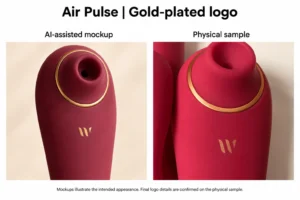
How Does Sex Toy Logo Customization Work on Existing Products?
You have selected a product and prepared your brand artwork. Adding the logo looks like the easy part—until the supplier
September 29, 2026
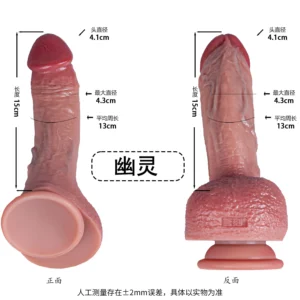
How Is a Pornstar Dildo Developed for a Licensed Brand Collection?
A brand may have an adult performer ready to collaborate, yet still struggle to turn that agreement into a product

September 22, 2026
Adult Wellness Repeat Purchase: What Product Teams Should Review After the First Sale
A strong feature can help win a first sale. It does not guarantee the next one. For adult wellness brands,